Jogos Digitais e Multimédia | Games and Multimedia
Jogos Digitais e Multimédia | Games and Multimedia
A Licenciatura em Jogos Digitais e Multimédia oferece aos seus estudantes um plano de formação abrangente e orientado para a prática:
- Primeiro ano dedicado ao desenvolvimento de jogos 2D (com Unity engine)
- Segundo ano focado no desenvolvimento de jogos 3D (com Unreal Engine)
- Terceiro ano centrado em conceitos avançados e especialização (estágio ou projeto).
O programa inclui várias unidades curriculares optativas, ajustadas aos interesses dos estudantes. Cada ano letivo integra uma unidade curricular de projeto para criação de um videojogo, que promove o trabalho em equipa e a aprendizagem prática. No final do curso, os estudantes podem realizar um projeto final ou um estágio (nacional ou internacional).
O curso conta com seis Game Labs equipados com tecnologia especializada, que apoia o trabalho prático nas unidades curriculares e nos projetos de jogo.
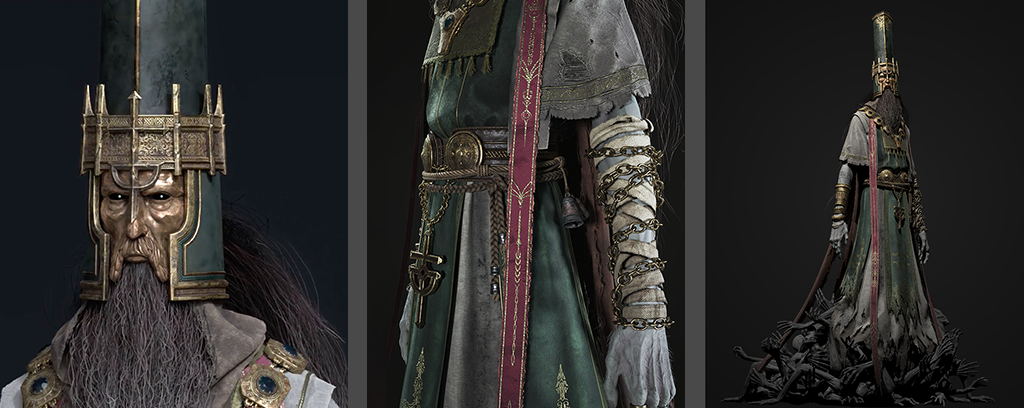
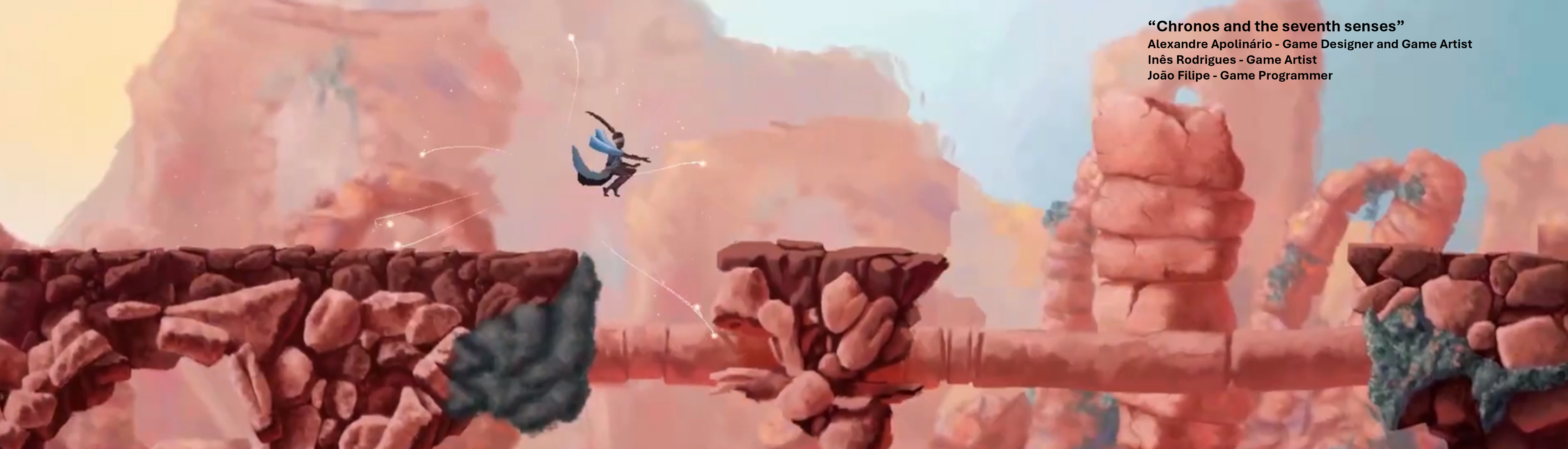
Com mais de 11 anos de experiência no ensino de Desenvolvimento de Jogos, o curso construiu uma forte reputação, comprovada por mais de 50 prémios recebidos por estudantes, incluindo mais de 40 distinções do PlayStation Talents, bem como reconhecimentos do Nordic Game Discovery Contest, Indie X, Game Dev Lisbon Spotlight Awards, entre outros concursos internacionais.
Todas as unidades curriculares são lecionadas em inglês.
O ciclo de estudos foi também distinguido como Epic Games Unreal Academic Training Partner, um reconhecimento atribuído a programas universitários comprometidos com a oferta de oportunidades educativas de elevada qualidade e resultados sólidos no desenvolvimento pessoal e profissional dos estudantes na indústria dos videojogos.

Espreite os jogos desenvolvidos pelos nossos estudantes.
Coordenador do curso
Anabela Gonçalves Rodrigues Marto
coord.jdm.estg@ipleiria.pt
Formar profissionais para as áreas dos videojogos e da produção multimédia.
Os licenciados terão as competências necessárias para trabalhar nas diversas fases de construção de um jogo digital (conceção, programação, criação artística, quality assurance), assim como em outros tipos de produção multimédia (software interativo, aplicações web, aplicações móveis, etc.).
Área de estudo
Multimédia
Candidata-te a este curso e sê uma das contempladas pelas Bolsas de incentivo “GIRLS STEAM”.
sabe mais em Impulso JOVEM | Bolsas “GIRLS STEAM”
Geral
Perfil
Área científica
Artes e Design, Engenharia e TecnologiaFuturo
Saídas Profissionais
- Game Designer
- Programador de Jogos
- Artista 2D/3D
- Game Tester
- Técnico de Multimédia
Plano curricular
| Unidade Curricular | Semestre | ECTS | Duração | |
|---|---|---|---|---|
| 2297201 | Drawing | S1 | 4 | 45 h |
|
1. Graphic diary and the importance of continuous drawing practice |
||||
| 2297202 | Game Design | S1 | 6 | 60 h |
|
1. Game Design for games |
||||
| 2297203 | Introduction to Programming | S1 | 6 | 75 h |
|
1. Introduction to programming |
||||
| 2297204 | Mathematical Foundations for Games | S1 | 6 | 60 h |
|
1. Basic concepts of sets, maps and relations |
||||
| 2297205 | Digital Image | S1 | 6 | 60 h |
|
1. Introduction to digital image |
||||
| 2297206 | English | S1 | 2 | 30 h |
|
1. English as a lingua franca |
||||
| 2297207 | Game Programming | S2 | 7 | 90 h |
|
1. Coding standards and best practices |
||||
| 2297208 | 2D Art I | S2 | 4 | 45 h |
|
1. Concept art |
||||
| 2297209 | Principles of Animation | S2 | 5 | 60 h |
|
1. Animation Techniques |
||||
| 2297210 | User Interface Design | S2 | 4 | 45 h |
|
1. User interface design for digital games |
||||
| 2297211 | 2D Game Project | S2 | 10 | 75 h |
|
The subject does not have defined contents, since it depends on the project that each student (or each group of students) develops. In fact, there are multiple proposals: one per group of three students. Any different team size must be treated as an exception and can only be admitted by means of a documented justification. The professor responsible for the curricular unit is accountable for the analysis and the decision making. |
| Unidade Curricular | Semestre | ECTS | Duração | |
|---|---|---|---|---|
| 2297212 | 3D Modeling | S1 | 7 | 75 h |
|
1. 3D modelling environments |
||||
| 2297213 | Game Engines I | S1 | 7 | 60 h |
|
1. Introduction to game engines |
||||
| 2297214 | Visual Effects for Games | S1 | 6 | 60 h |
|
1. Particles |
||||
| 2297215 | Web Development | S1 | 4 | 45 h |
|
1. Basic concepts, technologies and services associated with the Web |
||||
| 2297216 | Sound Design | S1 | 6 | 75 h |
|
1. Introduction to Sound |
||||
| 2297217 | Photography and Video | S2 | 5 | 60 h |
|
1. Photography concepts |
||||
| 2297218 | 3D Simulation and Animation | S2 | 5 | 60 h |
|
1. The animation process |
||||
| 22972019 | Multimedia Interaction Techniques | S2 | 4 | 45 h |
|
1. Investigation of interaction types and interfaces |
||||
| 2297220 | Option I | S2 | 6 | 60 h |
|
O estudante deverá escolhe uma das seguintes UC: Game Engine II / 3D Production Game Engine II 1. C++ Programming Language 3D Production 1. Project planning |
||||
| 2297221 | 3D Game Project | S2 | 10 | 75 h |
|
The subject does not have defined contents, since it depends on the project that each student (or each group of students) develops. In fact, there are multiple proposals: one per group of three students. Any different team size must be treated as an exception and can only be admitted by means of a documented justification. The professor responsible for the curricular unit is accountable for the analysis and the decision making. |
| Unidade Curricular | Semestre | ECTS | Duração | |
|---|---|---|---|---|
| 2297222 | Option II | S1 | 30 | 60 h |
|
O estudante deverá escolher 5 das 7 unidades curriculares que constam do conjunto apresentado em Opção II: Cinema 1. Pre-production 2D Art II 1. Concept art Visual Effects for Cinema 1. Notions and VFX typologies 3D Art 1. Graphic interface Computer Graphics 1. Computer graphics
Advanced Game Programming Topics 1. Introduction to C++ Artificial Intelligence Applied to Games 1. Introduction to Artificial Intelligence |
||||
| 2297223 | Entrepreneurship and Marketing Applied to Entertainment | S2 | 3 | 45 h |
|
1. Introduction to entrepreneurship and creativity |
||||
| 2297224 | Final Project / InternShip | S2 | 27 | 640 h |
|
O estudante poderá optar por realizar Projeto ou Estágio. |
Ano Letivo
Mais informações
Concurso Nacional de Acesso ao Ensino Superior (CNAES)
Consulte toda a informação sobre Provas e médias de acesso às licenciaturas do Politécnico de Leiria em
Toda a informação sobre o CNAES deve ser consultada no Guia da Candidatura publicado na página do Ministério da Educação Ciência e Inovação. no Portal da Direção-Geral do Ensino Superior (DGES).
Preferência regional
Área de influência: Aveiro, Castelo Branco, Coimbra, Leiria, Lisboa e Santarém
Vagas: 30%
Classificações mínimas
Nota de candidatura: 100 pontos
Provas de ingresso: 95 pontos
Fórmula de cálculo
Média do secundário: 50%
Provas de ingresso: 50%
Concursos Especiais, Reingresso e Mudança de Par Instituição/Curso
Podes consultar toda a informação referente a estas candidaturas na página Candidaturas licenciaturas.
Estudante Internacional
Todas as informações relacionadas com a candidatura do Estudante Internacional ao Politécnico de Leiria devem ser consultadas na página de Candidaturas de Estudantes Internacionais.
Plano de estudos
Despacho n.º 7182/2018, DR n.º 144 – 2S. de 27 de julho
Investimento
Propinas e taxas
Candidaturas
A candidatura é online no Portal de Candidaturas do Politécnico de Leiria.