Games and Multimedia
Games and Multimedia
Programme Introduction
The degree in Games and Multimedia offers its students a broad and practice-oriented training plan:
- First year dedicated to 2D game development (with Unity engine).
- Second year focused on 3D game development (with Unreal Engine).
- Third year centered on advanced concepts and specialisation (Internship/Project).
This program includes several elective courses tailored to students’ interests. Each academic year have a project course dedicated to creating a video game, which fosters teamwork and hands-on learning. By the end of the program, students may choose between completing a final project or undertaking an internship national or international.
The program features six Game Labs equipped with specialized technology that supports practical work in course units and game projects.
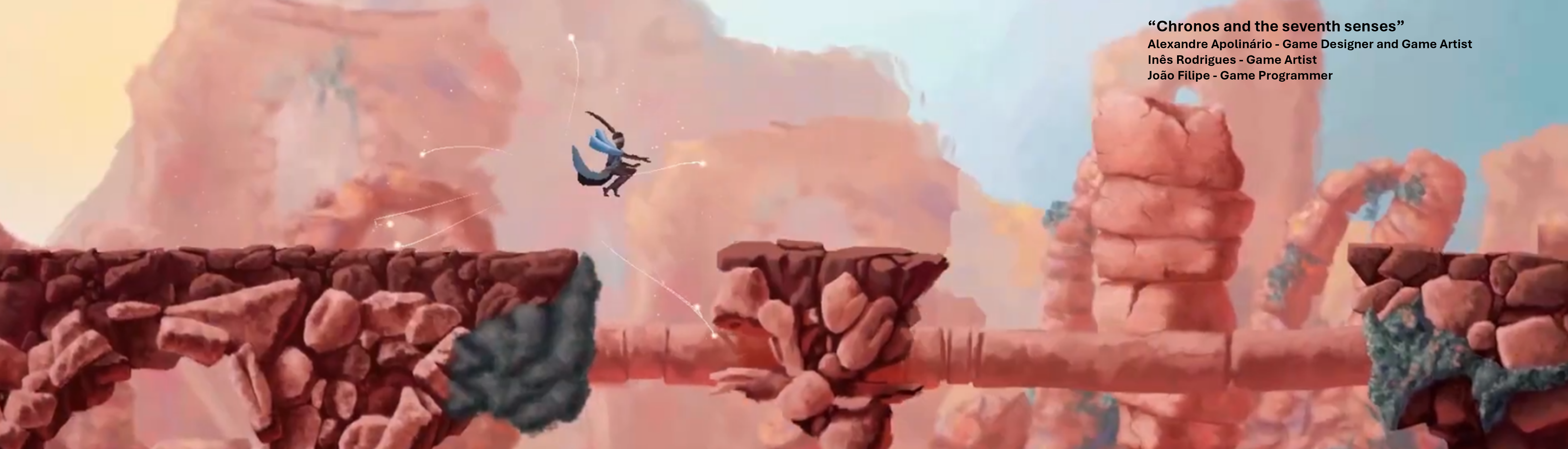
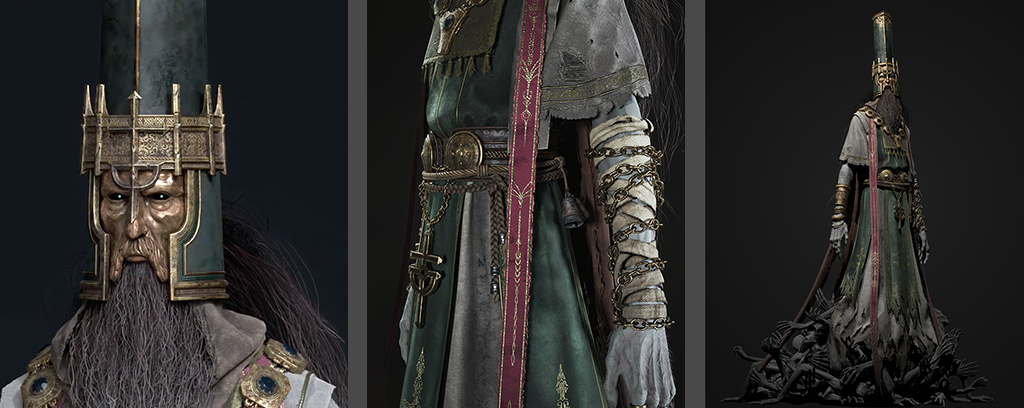
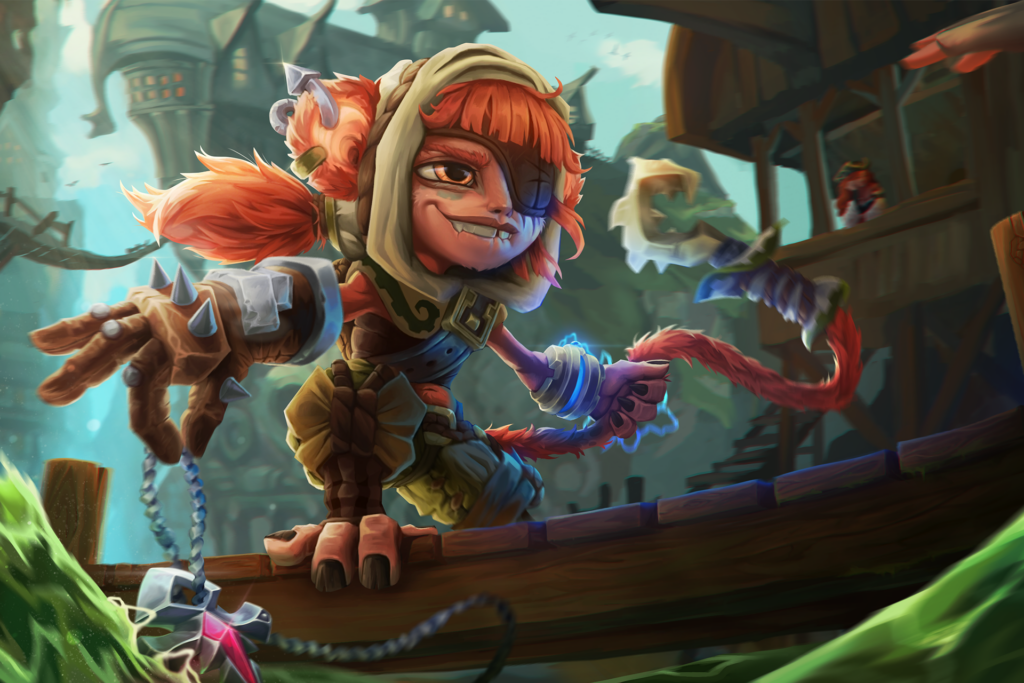
Check out our games
With over 11 years of experience in Game Development education, the program has built a strong reputation supported by more than 50 student awards – including over 40 from PlayStation Talents – as well as recognitions from Nordic Game Discovery Contest, Indie X, Game Dev Lisbon Spotlight Awards, and other international competitions.
All course units are taught in English.
Programme Coordinator
Anabela Gonçalves Rodrigues Marto
coord.jdm.estg@ipleiria.pt
Reference
School
City
Language
Type
Length
Vacancies
General contingent: 65
International student contingent: 10
DGES certification
Objectives
The bachelor’s programme in Digital Games and Multimedia aims to train professionals specialized in the fields of video games and multimedia production.
Digital Games and Multimedia graduates possess the necessary skills to work in the various stages of building digital games (design, programming, artistic creation, quality assurance), as well as other types of media production (interactive software, web applications, mobile applications, etc.).
Due to the large number of practical projects students have to do during the programme, they will acquire the necessary skills to follow the ongoing evolution of the field, such as a high level of autonomy. They’ll be competitive professionals in a global market where ethics, human relations and entrepreneurship are central to work in multidisciplinary teams.
Intended learning and experience outcomes:
- To know the technologies used in digital games and multimedia.
- To understand the process of producing a digital game or a multimedia product.
- To be able to create a 2D game, through all its stages, from conception to implementation and test.
- To be able to create a 3D game, through all its stages, from conception to implementation and test.
- To work with professionals and use their digital tools.
Careers Options
- Game Designer
- Game Programmer
- 2D/3D Artist
- Game Tester
- Multimedia Technician
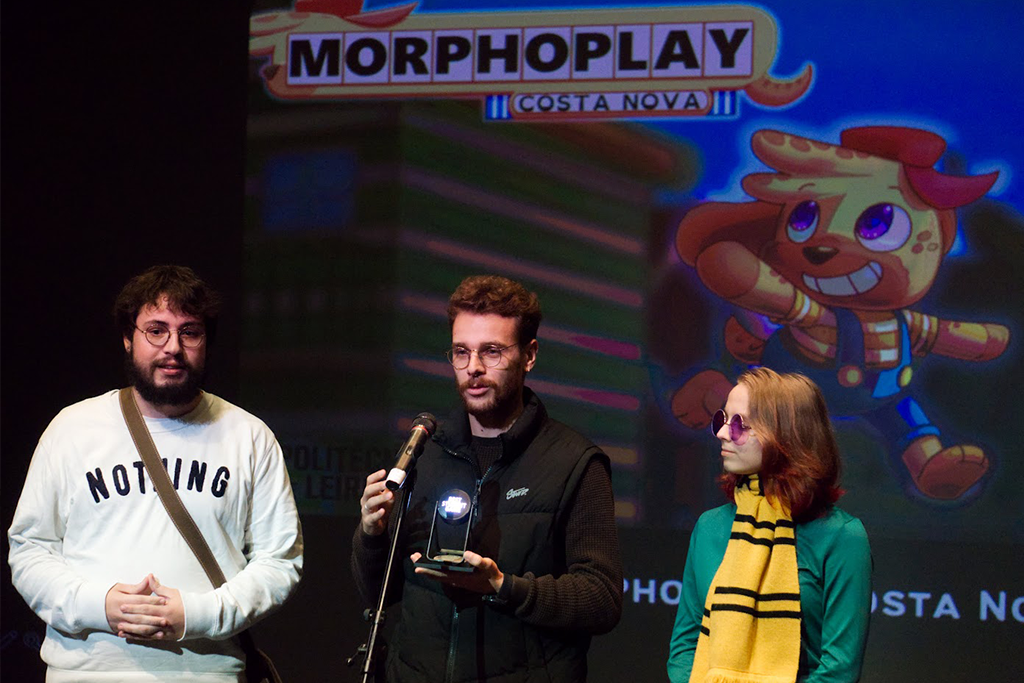
Spotlight Awards – Best Student Award 2023 – Financed by FCT
| ID | Name | Semester | ECTS | Length |
|---|---|---|---|---|
| 2297201 | Drawing | 1st Semester | 4 | 45 h |
|
1. Graphic diary and the importance of continuous drawing practice |
||||
| 2297202 | Game Design | 1st Semester | 6 | 60 h |
|
1. Game Design for games |
||||
| 2297203 | Introduction to Programming | 1st Semester | 6 | 75 h |
|
1. Introduction to programming |
||||
| 2297204 | Mathematical Foundations for Games | 1st Semester | 6 | 60 h |
|
1. Basic concepts of sets, maps and relations |
||||
| 2297205 | Digital Image | 1st Semester | 6 | 60 h |
|
1. Introduction to digital image |
||||
| 2297206 | English | 1st Semester | 2 | 30 h |
|
1. English as a lingua franca |
||||
| 2297207 | Game Programming | 2nd Semester | 7 | 90 h |
|
1.Coding standards and best practices |
||||
| 2297208 | 2D Art I | 2nd Semester | 4 | 45 h |
|
1.Concept art |
||||
| 2297209 | Principles of Animation | 2nd Semester | 5 | 60 h |
|
1. Animation Techniques |
||||
| 2297210 | User Interface Design | 2nd Semester | 4 | 45 h |
|
1. User interface design for digital games |
||||
| 2297211 | 2D Game Project | 2nd Semester | 10 | 75 h |
|
The subject does not have defined contents, since it depends on the project that each student (or each group of students) develops. In fact, there are multiple proposals: one per group of three students. Any different team size must be treated as an exception and can only be admitted by means of a documented justification. The professor responsible for the curricular unit is accountable for the analysis and the decision making. |
| ID | Name | Semester | ECTS | Length |
|---|---|---|---|---|
| 2297212 | 3D Modeling | 1st Semester | 7 | 75 h |
|
1.3D modelling environments |
||||
| 2297213 | Game Engines I | 1st Semester | 7 | 60 h |
|
1.Introduction to game engines |
||||
| 2297214 | Visual Effects for Games | 1st Semester | 6 | 60 h |
|
1. Particles |
||||
| 2297215 | Web Development | 1st Semester | 4 | 45 h |
|
1. Basic concepts, technologies and services associated with the Web |
||||
| 2297216 | Sound Design | 1st Semester | 6 | 75 h |
|
1.Introduction to Sound |
||||
| 2297217 | Photography and Video | 2nd Semester | 5 | 60 h |
|
1. Photography concepts |
||||
| 2297218 | 3D Simulation and Animation | 2nd Semester | 5 | 60 h |
|
1.The animation process |
||||
| 2297219 | Multimedia Interaction Techniques | 2nd Semester | 4 | 45 h |
|
1.Investigation of interaction types and interfaces |
||||
| 2297220 | Option I | 2nd Semester | 6 | 60 h |
|
Option I – choose 1 of the 2 following curricular units: Game Engine II / 3D Production Game Engine II 1. C++ Programming Language 3D Production 1. Project planning |
||||
| 229721 | 3D Game Project | 2nd Semester | 10 | 75 h |
|
The subject does not have defined contents, since it depends on the project that each student (or each group of students) develops. In fact, there are multiple proposals: one per group of three students. Any different team size must be treated as an exception and can only be admitted by means of a documented justification. The professor responsible for the curricular unit is accountable for the analysis and the decision making. |
| ID | Name | Semester | ECTS | Length |
|---|---|---|---|---|
| 2297222 | Option II | 1st Semester | 30 | 60 h |
|
Option II – choose 5 of the following 7 curricular units: Cinema 1. Pre-production 2D Art II 1. Concept art Visual Effects for Cinema 1. Notions and VFX typologies 3D Art 1. Graphic interface Computer Graphics 1. Computer graphics
Advanced Game Programming Topics 1. Introduction to C++ Artificial Intelligence Applied to Games 1. Introduction to Artificial Intelligence |
||||
| 2297223 | Entrepreneurship and Marketing Applied to Entertainment | 2nd Semester | 3 | 45 h |
|
1.Introduction to entrepreneurship and creativity |
||||
| 2297224 | Final Project / Internship | 2nd Semester | 27 | 640 h |
|
The students may choose one of the two options: Internship The subject does not have defined contents, since it depends on the in-service training. Final Project The curricular unit has no predefined content, depending on the project to be created and drawn up by a group of two to three students. Individual projects may also be accepted. |
Entry Requirements
For further information about international students’ applications,
please see International Applicants
or contact the International Students’ Office by email at: studywithus@ipleiria.pt
For further information about international students’ applications,
please see International Applicants
or contact the International Students’ Office by email at: studywithus@ipleiria.pt
Accreditation
Status: Accredited
Number of years of accreditation: 6
Publication Date: 28-04-2014
A3ES Accreditation
Status: Accredited
Number of years of accreditation: 6
Publication Date: 28-04-2014
A3ES Accreditation
Online Application
Use the button bellow to start your application.
Application Fee
60€
60€
Enrolment Fee
General contingent: 30 €
International student contingent: 100€
General contingent: 30 €
International student contingent: 100€
Tuition Fee
General contingent: 697 €
International student contingent: 3000€
General contingent: 697 €
International student contingent: 3000€