Marine Biosciences

Marine Biosciences

Course Type:
Master’s Programme

Programme Introduction

The Master’s degree in Marine Biosciences enables students to understand how marine systems function and to apply this knowledge to the conservation, management and valorisation of ocean resources. Throughout the programme, students learn to analyse marine ecosystems, develop applied research projects and propose solutions to real-world challenges related to ocean sustainability.

Integrated within the field of Marine Sciences, the programme offers specialisation in Marine Conservation and Restoration, Aquaculture and Biotechnology. The training combines scientific practice with the analysis of real case studies, allowing students to apply knowledge in professional contexts linked to sustainability and the blue bioeconomy, while developing skills such as critical thinking, innovation, project leadership, effective communication and ethical responsibility.

Upon completion of the programme, graduates are prepared to work in academic, scientific and business contexts, making a concrete contribution to the sustainable management of marine ecosystems and to the development of the blue economy.

Programme Coordinator

Marco Filipe Loureiro Lemos
marco.lemos@ipleiria.pt

School

City

Language

Portuguese

Type

Morning & Afternoon

Length

2 Years

Vacancies

General and International Contingent: 30

Notice

Edital 2026 (PT Doc retf)

DGES certification

Link to Registration (updating)
Objectives

Programme
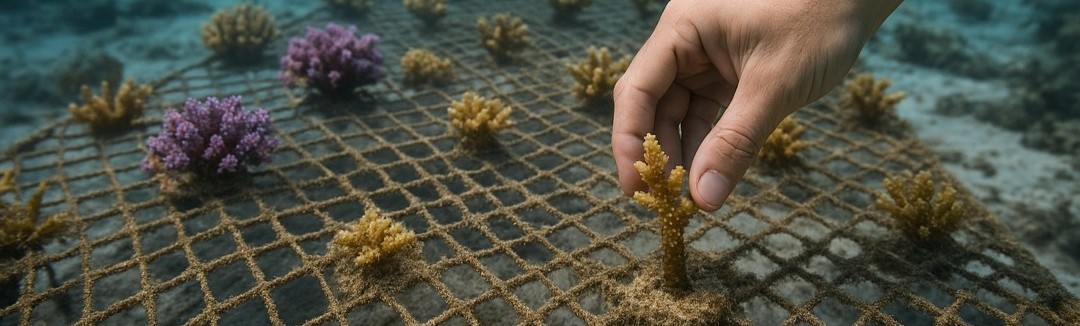
  • Integrated understanding of marine systems and ecological interactions, equipping students with the skills to assess and intervene in the conservation and management of marine resources, promoting sustainability within the context of the Blue Bioeconomy;
  • Acquisition of solid knowledge in general marine biology, complemented by specialisation in Marine Environment Conservation and Restoration, Aquaculture or Biotechnology, according to individual areas of interest;
  • Application of advanced scientific methodologies for research and development in marine biosciences, fostering critical and analytical skills essential for leadership in sustainable projects.

Careers Options

Programme

Marine Sciences Research
Work in research centres, universities and laboratories in the fields of marine biology, ecology, conservation and biotechnology.

Marine Environment Conservation and Management
Involvement in the monitoring, protection and restoration of marine ecosystems within public bodies and Non-Governmental Organisations (NGOs).

Environmental Consultancy and Sustainability
Provision of technical and scientific support to public and private organisations in the sustainable management of marine resources and blue economy projects.

Sustainable Aquaculture
Planning and management of aquaculture production systems, with a focus on innovation, production efficiency and environmental sustainability.

Marine Biotechnology
Development of innovative solutions based on marine resources for the pharmaceutical, food, cosmetic and environmental sectors.

Blue Economy Project Management
Coordination and implementation of projects related to the blue bioeconomy, applied research and the valorisation of marine resources.
1st Year | Common Subjects
ID Name Semester ECTS Length
1S 6 55 h
  1. Concepts and fundamentals of oceans and climate: climate and circulation; the North Atlantic Oscillation (NAO) and climate variability;
  2. Concepts and processes in Climate Change in the Marine Environment;
  3. Ecological impacts of global change on the marine environment;
  4. Impacts of Global Change on Ecosystem Services in the Marine Environment;
  5. The 2030 Agenda for Sustainable Development (SDG 13 and 14), the Decade of Ocean Sciences and the Decade of Ecosystem Restoration.
1S 6 60,5 h
  1. Introduction to the Blue Bioeconomy
    1.1 Concepts and basic principles
    1.2 Importance of the blue bioeconomy for sustainability.
    1.3 Contribution to socio-economic development
  2. Circular Economy and Sustainability
    2.1 Circular economy practices applied to the marine sector
    2.2 Strategies for minimising environmental impact.
    2.3 National and international initiatives
  3. Innovation and Development
    3.1 Impact on traditional and emerging sectors
    3.2 Creation of innovative products from marine resources.
    3.3 Case studies and practical examples.
  4. Policies and Regulations
    4.1 Legislation and policies related to the blue bioeconomy.
    4.2 International rules and regulations.
    4.3 National and international context
  5. Project Management and Entrepreneurship:
    5.1 Project planning and management in the marine sector.
    5.2 Developing entrepreneurial skills.
1S 6 61,5 h
  1. National and international challenges
    1.1 Circular Economy and the European Green Deal
    1.2 Digitalisation of productive sectors
    1.3 Integrated aquaculture and the bioeconomy
  2. Technological innovation in the value chain
    2.1 Maternity
    2.2 Production
    2.3 Packaging
  3. Production trends in aquaculture
    3.1 Land-based production systems
    3.2 Coastal aquaculture
    3.3 Offshore aquaculture
  4. Disruptive technologies in aquaculture
    4.1 Monitoring and remote operation
    4.2 Artificial intelligence and blockchain in aquaculture
    4.3 Intelligent management of the production process
  5. Aquaculture production for non-food purposes
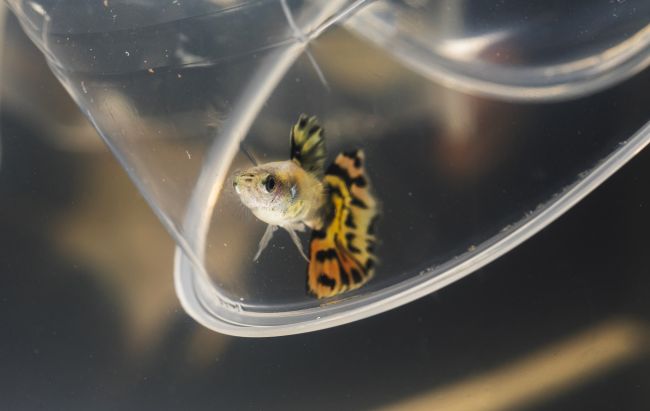
    5.1 Ornamental aquaculture
    5.2 Ecological recovery and restoring productive capacity
    5.3 Research and climate change
  6. Entrepreneurship and innovation in aquaculture
    6.1 Business ideation and acceleration processes in the aquaculture sector
    6.2 Technological platforms to support entrepreneurship
    6.3 Supporting and financing start-ups
1S 6 61,5 h
  1. Introduction to Marine Bioprospecting
  2. Diversity of Marine Resources with Biotechnological Potential
  3. Techniques and Methodologies in Bioprospecting
  4. Introduction to Biotechnological Applications of Marine Resources
  5. Sustainability, Bioethics, and Regulation
  6. Case Studies and Applied Projects
1S 6 59 h
  1. Marine Strategy Framework Directive
    1.1. Introduction to the Marine Strategy Framework Directive and its importance in ocean governance.
    1.2. Analysis of the goals and objectives set by the directive for marine environment protection.
  2. OSPAR Convention
    2.1. Study of the OSPAR Convention for the protection of the Northeast Atlantic marine environment.
    2.2. Evaluation of strategies and measures adopted by signatory countries for marine conservation.
  3. Maritime Spatial Planning and Management
    3.1. Principles and practices of maritime spatial planning and management.
    3.2. Tools and methodologies for implementing marine spatial planning.
  4. Ecosystem-Based Approach to Marine Environment Management
  5. Integrated Maritime Policy
  6. Marine Protected Areas
    6.1. Definition and importance.
    6.2. Legislation and management.
  7. Shared Management Mechanisms for Living Resources.
2S 6 48 h
  1. Introduction to Innovation and Co-Creation
  2. Co-Creation Process
  3. Tools/Methodologies for Co-Creating Solutions (Brainstorming, CANVAS, Crazy Eight, Design Thinking, DEMOLA)
  4. Rapid Prototyping and Value Proposition
  5. Idea Communication Tools (Pitching, Storytelling)
  6. Solving Real-World Challenges
  7. Presentation and Validation of Solutions for Real-World Challenges
2S 4 54 h
  1. Introduction to Experimental Design:
    • Laboratory, field, and observational studies.
    • Variable control and sampling in the marine environment.
  2. Introduction to Data Visualization in R.
  3. Parametric and Non-Parametric Analysis:
    • When and how to apply.
    • Group comparisons.
  4. Multivariate Analysis:
    • Classification techniques.
    • Ordination techniques.
  5. Multiple Linear Correlation Analysis.
  6. Practical Case Studies (with R applications).
  7. Results Communication.
2S 5

The “Free Elective” unit must be selected from among the curricular units offered across all ESTM degree programmes and made available for this purpose, under the guidance of the higher education institution.

1st Year | Marine Environment Conservation and Restoration Path
ID Name Semester ECTS Length
2S 5 51 h
  1. The Challenge of Marine Biodiversity Monitoring
  2. Traditional Methods and Emerging Technologies
  3. Biodiversity Assessment and Environmental Indicators
  4. Monitoring Pressures and Impacts on Marine Ecosystems
  5. Data Integration and Sustainable Ecosystem Management
  6. Monitoring and Governance: International Directives and Strategies
2S 5 54 h
  1. Introduction to Marine Megafauna Conservation
    1.1. Ecological relevance to marine ecosystems.
    1.2. Conservation status and threats.
  2. Conservation Policies and Legislation
  3. Techniques for Monitoring and Studying Marine Populations
    3.1. Population census methods and remote monitoring.
    3.2. Sampling methods and tools for health assessment.
  4. Marine Animal Rehabilitation
    4.1. Principles and objectives of rehabilitation centers.
    4.2. Rescue procedures and clinical care.
    4.3. Species reintroduction: evaluation criteria and techniques.
  5. Environmental Education and Community Conservation
    5.1. Public awareness and its impact on conservation.
    5.2. Participatory and collaborative conservation projects.
    5.3. Success stories in community involvement in initiatives.
  6. Case Studies of Conservation Projects and the Impact of Global Changes
2S 5 49 h
  1. Fundamental concepts of ecological restoration and ocean goods and services.
  2. Economic value of marine goods and services. Sustainability and sustainable development.
  3. Restoration of populations and communities.
  4. Ecological processes. Restoration of ecological functions and ecosystem services: spatial and temporal dimensions.
  5. Ecological restoration planning. Importance of social processes.
  6. Restoration of different marine ecosystems.
  7. Policy and management issues.
1st Year | Aquaculture Path
ID Name Semester ECTS Length
2S 5 54 h
  1. Basic Concepts of Pathology
  2. Major Pathogens and Diseases
  3. Behavior and Well-being
  4. Immunology and Well-being
  5. Biosafety: Concepts and Application to an Aquaculture Unit
  6. Ethics in Aquaculture: Considerations on Animal Welfare, Sustainability, and Social Impacts
2S 5 49 h
  1. Feeding Biology
    1.1. Feeding in the aquatic environment
    1.2. The digestive system and nutrition of mollusks and crustaceans
    1.3. The digestive system and digestive physiology of fish
    1.4. Basic aspects of fish metabolism
    1.5. Digestion and digestibility: Key aspects in fish nutrition
  2. Nutritional Needs
    2.1. Protein needs of essential amino acids
    2.2. Essential fatty acid requirements
    2.3. Energy requirements
    2.4. Determining nutritional needs
  3. Feed Ingredients
    3.1. Protein and energy ingredients in feeds
    3.2. Alternative sources of proteins and lipids
    3.3. Feed formulation
    3.4. Feed production
  4. Feeding
    4.1. Feeding systems
    4.2. Feeding strategies and plans
    4.3. Growth evaluation and nutritional efficacy
  5. Aquaculture Nutrition Research
2S 5 53 h
  1. Spatial Planning and Integrated Aquaculture Management
  2. Strategies for Sustainable Production Systems
  3. Predictive Models and Environmental Management
  4. Planning Sustainable Supply Chains
  5. Resource and Consumption Management
  6. Planning for Climate Change Resilience
  7. Sustainable Infrastructure Planning
  8. Waste Management and Planning
  9. Funding Sources
1st Year | Biotechnology Path
ID Name Semester ECTS Length
2S 5 49 h
  1. Marine-Derived Pharmaceuticals
    1.1. Bioprospecting of marine-derived compounds for pharmacological purposes.
    1.2. Major classes of marine-derived pharmaceuticals.
    1.3. Development of new drugs: from cellular bioactivity to clinical trials.
  2. Marine-Derived Functional Foods and Nutraceuticals
    2.1. Functional foods, nutraceuticals, and dietary supplements.
    2.2. Key functional and nutraceutical activities of marine-derived compounds.
    2.3. Development of marine-derived functional foods.
  3. arine Natural Products and Applications in Cosmetics and Dermatology
    3.1. Development of marine-derived cosmetics: marine bioactive compounds.
    3.2. Dermatological treatments and therapeutic effects: potential of marine natural products.
    3.3. Marine natural products and thalassotherapy.
  4. Marine-Derived Biomaterials and Biomedical Applications
    4.1. Diversity of marine-derived biomaterials.
    4.2. Key biomedical applications.
2S 5 54 h
  1. Introduction to Molecular and Omics Techniques in Marine Sciences
  2. Genetic, Functional, and Metabolic Diversity of Marine Organisms
  3. Mechanisms of Action in Biological Contexts
  4. Molecular Biomarkers in Marine Biotechnology
  5. Biotechnological Applications Based on Molecular and Omics Data
2S 5 49 h
  1. Principles and Evolution of the Biorefinery Concept (Types of Biorefineries)
  2. Characterization of Different Marine Biomass Sources
    2.1 Morphology
    2.2 Chemical Composition
    2.3 Functional Value
  3. Biomass Pretreatment Processes
    3.1 Unit Operations
    3.2 Equipment Selection and Sizing
    3.3 Condition Optimization
  4. Biomass Conversion: Physical, Physicochemical, Chemical, Thermochemical, and Biological Processes
    4.1 Unit Operations
    4.2 Equipment Selection and Sizing
    4.3 Condition Optimization
  5. Separation Processes
    5.1 Unit Operations
    5.2 Equipment Selection and Sizing
    5.3 Condition Optimization
  6. Integration of Unit Operations
  7. Case Studies of Integrated Processes in Different Sectors
2nd Year | Common Subjects
ID Name Semester ECTS Length
Annual 2 14 h
  1. Initial Seminar
    1.1 Presentation of the dissertation, internship, or project work plan.
    1.2 Definition of objectives, methodology, and timeline.
    1.3 Review of the state of the art and establishment of a solid foundation for the dissertation/project/internship.
  2. Intermediate Seminar
    2.1 Presentation of research or project progress.
    2.2 Discussion of encountered challenges and necessary adjustments.
    2.3 Analysis of results obtained so far.
  3. Supervision and Coordination with the Advisory Committee
    3.1 Meetings with advisors and the committee to discuss progress.
    3.2 Integration of feedback to optimize the work.
  4. Dissertation/Internship/Project Development
    4.1 Strategies for progress monitoring and meeting deadlines.
    4.2 Critical reflection on work development and obstacle management.
    4.3 Preparation for final submission, ensuring work quality.
Annual 4 4 h

This program aims to integrate and apply the knowledge acquired in the Master’s in Marine Biosciences through extracurricular activities and practical experiences. It also allows the development of complementary skills essential to the student’s training.

The course organizes activities into the following categories:

  • Academic Activities: Other curricular units, courses, seminars, and workshops outside the formal curriculum.
  • Scientific and Professional Activities: Participation in conferences and scientific presentations.
  • Internship and Practical Experience Activities: Internships, fieldwork, and research projects.
  • Interpersonal and Technical Skills: Development of hard skills and soft skills.
  • Assessment and Reflection: Self-assessment of progress, identifying strengths and areas for improvement.

The monitoring committee will validate the activities, ensuring that the portfolio reflects the progress and skills acquired.

Annual 54

Dissertation in Marine Biosciences

  1. Definition and Research Planning
    • Selection of the research topic and esearch question formulation.
    • Definition of scientific and/or applied objectives.
    • Critical literature review and contextualization of the problem.
    • Experimental planning, methodology definition, and timeline establishment
  2. Execution and Research Development
    • Application of appropriate scientific and technical methodologies.
    • Data collection, processing, and analysis.
    • Discussion of results and interpretation in the context of existing literature.
  3. Writing and Structuring the Dissertation
    • Document structure: introduction, methodology, results, discussion, and conclusions.
    • Scientific writing and publication standards.
    • Preparation of figures, tables, and supplementary materials.
  4. Presentation and Public Defense
    • Preparation of oral presentation and defense of results before a jury.
    • Scientific argumentation and effective communication of findings.
    • Reflection on the impacts and applications of the research conducted.

Project in Marine Biosciences

  1. Project Definition and Planning
    • Selection of the topic and formulation of the applied research question.
    • Definition of objectives and structuring of the work plan.
    • Literature review and contextualization of the problem.
  2. Project Execution and Development
    • Application of scientific and experimental methodologies.
    • Data collection, processing, and analysis.
    • Development of solutions or proposals applicable to the sector
  3. Critical Analysis and Discussion of Results
    • Interpretation and evaluation of the obtained data.
    • Identification of implications and challenges in the implementation of results.
  4. Report Writing, Presentation, and Project Defense
    • Structuring of the technical-scientific report.
    • Preparation for public defense and argumentation of results.
    • Reflection on the project’s impact on marine biosciences and the blue economy.

Internship in Marine Biosciences

  1. Professional Integration
    • Understanding the structure and operations of the host institution.
    • Identifying challenges at the science-industry-conservation interface.
    • Defining the internship plan aligned with the master’s objectives.
  2. Practical and Applied Activities
    • Applying methodologies in marine conservation, aquaculture, or biotechnology.
    • Fieldwork, laboratory, or experimental activities.
    • Developing innovative solutions for sustainable resource valorization.
  3. Critical Reflection and Analysis
    • Assessing the scientific, environmental, or productive impact.
    • Reflecting on the applicability of acquired knowledge.
    • Identifying challenges and process improvements.
  4. Production and Communication
    • Preparing the internship report with a scientific structure.
    • Discussing results in the context of marine biosciences.
    • Communicating findings through presentations or scientific dissemination.

Entry Requirements

  1. Holders of a Bachelor’s degree or legal equivalent in fields related to Marine Biosciences, such as Biology, Biotechnology, Marine Sciences, Environmental Sciences, Aquaculture, or other related fields, awarded by a national higher education institution;
  2. Holders of a foreign higher academic degree in fields related to Marine Biosciences, obtained following a first cycle of studies organized according to the principles of the Bologna Process by a state adhering to this process;
  3. Holders of a national or foreign higher academic degree, recognized by the Scientific-Technical Council (CTC) of the School of Tourism and Maritime Technology of the Polytechnic of Leiria (ESTM) as meeting the objectives of the degree in fields related to Marine Biosciences;
  4. Individuals with an academic, scientific, or professional curriculum, recognized by the CTC of ESTM, as demonstrating the capacity to undertake this study cycle.

More information in International Students / Master´s Applications

Accreditation

State: Accredited
N. years of accreditation: 6
Publication date: 11/12/2025
A3ES Accreditation

More Information

Scientific area of study: CNAEF 0421 – Biology and Biochemistry

For further information or clarification, please contact studywithus@ipleiria.pt

Online Application

Use the button bellow to start your application.

Application Fee

60€

Enrolment Fee

General contingent: 50€
International student contingent: 100€

Tuition Fee

General contingent: 1140€
International student contingent: 3000€