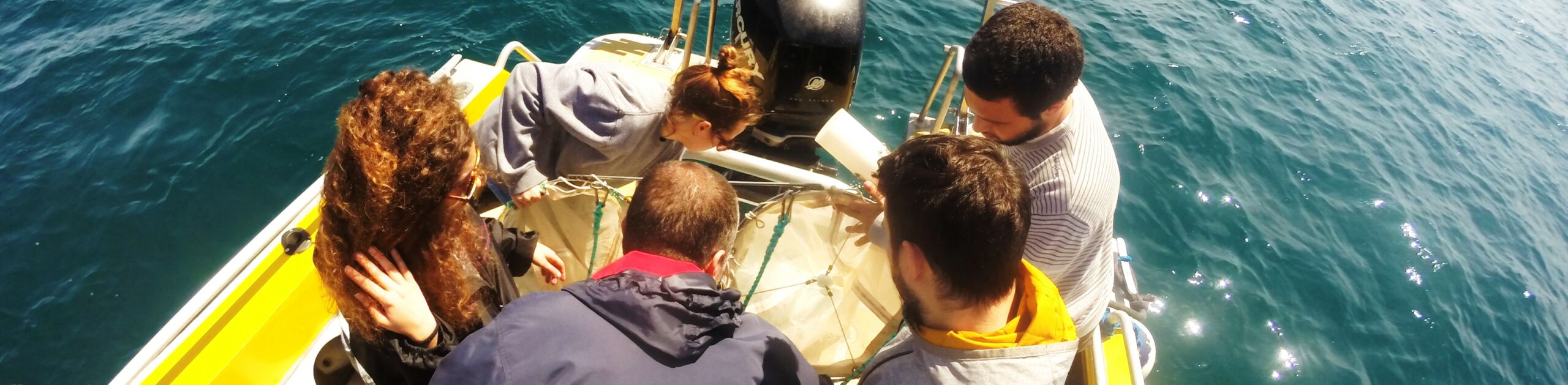
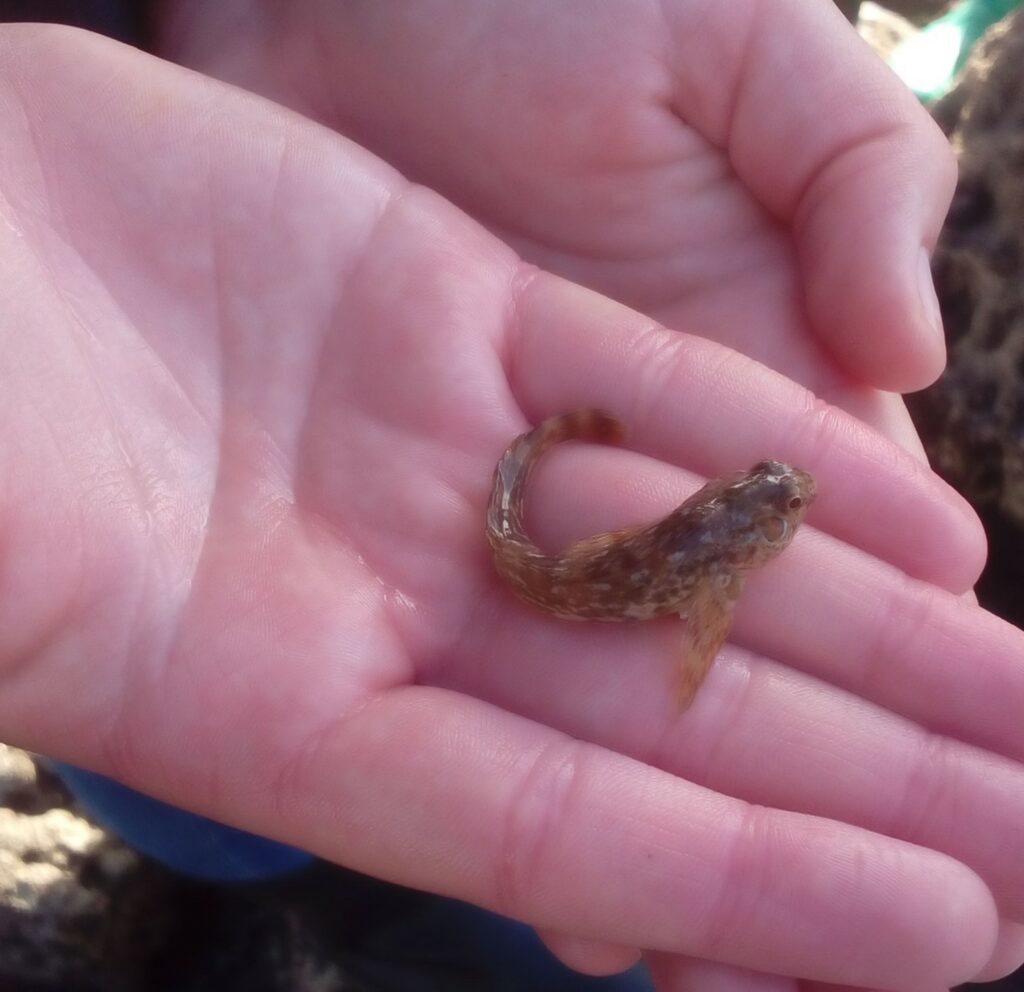
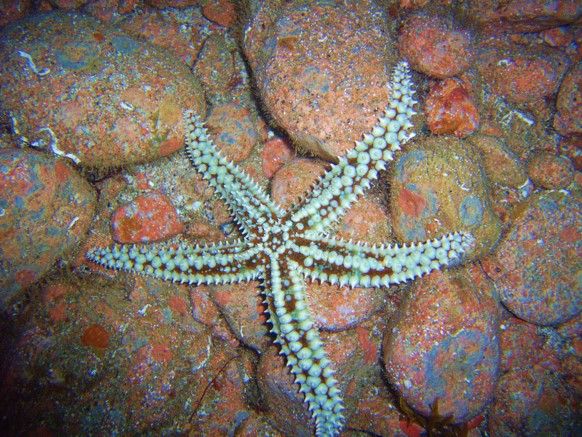
The Bachelor’s Programme in Marine Biology aims for training professionals with a solid preparation in the fundamental areas of Marine Biology, using a dynamic teaching/learning methodology, supported by a strong practical training component. This programme provides technicalscientific skills that enable an active contribution to the sustainable management of marine biological resources, namely through activities related to Marine Biology, Aquaculture, Fisheries and Environmental Conservation; provide graduates in Marine Biology with important modern tools in the field of biology. The Marine Biology programme intends to train technicians capable of collaborating with companies and institutions related to fishing, aquaculture, marine biotechnology, food technology, nature tourism and ecotourism and environmental consultancy, as well as to pursue a specialization in terms of cycles more advanced studies (MSc. and PhD.).
The Chemistry of Life 1.1. Chemical elements necessary for life 1.2. Structure and function of macromolecules: definition of polymer, carbohydrates, lipids, proteins, nucleic acids 1.3. Water: Effects of polarity; dissociation of water molecules
The cell 2.1. Cell theory, cell evolution. 2.2. Cell organization: Prokaryotic cells and eukaryotic cells: animal and plant. 2.3. Organelles: Endomembrane system and other membrane organelles; cytoskeleton. 2.4. The nucleus: functional organization, chromatin and chromosomes, genomic DNA replication, nucleolus and ribosomes. 2.5. Membrane structure and function: fluid mosaic model; cell surface and intercellular junctions, membrane transport; transport proteins and active transport 2.6. Cellular communication.
Differential calculus in Rn 2.1. Partial derivatives 2.2. Extremes of two-variable functions
Primitives and Integrals 3.1. definition of primitive 3.2. Primitive properties 3.3. Primitive Methods 3.4. Definition and properties of defined integrals 3.5. Fundamental theorem of integral calculus 3.6. Double integrals.
Introduction to marine photosynthetic organisms 1.1. General features 1.2. Phylogeny of marine photosynthetic organisms 1.3. Degrees of differentiation and levels of organization: unicellular and multicellular organisms; Organization of the algae stalk; organization of the bryophyte stalk; 1.4. Reproductive biology: Vegetative reproduction; Asexual reproduction; Sexual reproduction; Alternation of generations; Haploid, diploid and haplo-diploid life cycles. 1.5. Ecology of photosynthetic organisms.
Introduction 1.1. Quantities and units. 1.2. Scalars and vectors.
Classic Mechanics 2.1. Kinetics; One and two-dimensional movement, circular movement. 2.2. Dynamics: Newton’s Laws; gravitational, tidal, frictional and inertial forces. 2.3. Work and Energy: power, kinetic and potential energy.
Fluid Mechanics 3.1. Hydrostatics: Pascal and Archimedes principle, surface tension. 3.2. Fluid dynamics; Conservation of mass and energy, viscosity, Reynolds number, localized and continuous pressure drops, Moody diagram, centrifugal pumps.
Thermodynamics 4.1. Zero law of thermodynamics, temperature, thermal equilibrium; 4.2. First law of thermodynamics; Internal energy, calorimetry, heat transfer. 4.3. Second law of thermodynamics; Heat/work conversion; Carnot cycle and entropy.
Notions of Electricity and Magnetism 5.1. Electric field, direct current, Ohm’s law. 5.2. Electromagnetic field, alternating current, renewable energy.
Procedures used for analyzing histological samples
Types of animal tissues: characteristics, properties and functions 3.1. Epithelial tissue: 3.1.1. Special properties of epithelial cells 3.1.2. Lining and glandular epithelial tissues 3.1.3. skin and attachments 3.2. Connective tissue: 3.2.1. Characterization of cells, matrix and fibers 3.2.2. Characterization of special connective tissue types: 3.3. Muscle tissue 3.3.1. Characterization of different cells: skeletal, cardiac and smooth striae 3.3.2. Model of sliding filaments in muscle contraction 3.4. nerve tissue 3.4.1. Neuron, glial cells and attached structures 3.4.2. nerve fibers
Definition of embryology and associated concepts 4.1. Processes arising in embryology: gametogenesis, fertilization, segmentation, gastrulation, neurulation and organogenesis 4.2. Comparative Embryology in Invertebrates and Vertebrates
Introduction to field biology 1.1. Health and safety 1.2. Basic field work procedures
Definition of objects and working hypotheses 2.1. scientific method 2.2. Sampling 2.3. data organization
Methods in field biology
Study of aquatic environments 4.1. Fauna and flora study methodologies (phyto and zooplankton, macrophytes, waterfowl and biological processes) 4.2. Methodologies for studying the flora and fauna of rocky coasts (macroalgae and invertebrates) 4.3. Estuarine systems, including nutrient dynamics 4.4. Methodologies and techniques for in situ ecotoxicological characterization
Terrestrial environments: 5.1. Methodologies for coastal erosion control: role of plants in dune dynamics and stability 5.2. Flora study methodologies 5.3. Methodologies and techniques for studying bird populations (ringing, census techniques)
Preparation and communication of results 6.1. communication in science
Organisms and the Marine Environment 2.1 The importance of the physical environment on organisms 2.3 Biotic interactions 2.4 Matter and energy flow 2.5 Biogeochemical cycles and marine compartments
Ecology of coastal zones 3.1 Rocky Beaches 3.2 Sandy Beaches 3.3 Estuaries 3.4 Saps and Mangroves
Pelagic Ecosystems 4.1 Physical-chemical characteristics of the pelagic environment 4.2 Planktonic communities 4.3 Necton and pleuston
Benthic Ecosystems of the Continental Shelf 5.1 Physicochemical characteristics of the benthic environment 5.2. Brown Algae Forests 5.3 Coral Reefs 5.4 Marine Prairie
The Deep Ocean Bottom 6.1 Environmental conditions of deep seas 6.2 Food availability 6.3 Biological communities and energy pathways 6.4 Hydrothermal Springs as ecosystems
P1. DNA and RNA structure. Chromosomes, chromatin and nucleosome. P2. DNA replication P3. DNA mutations and repair mechanisms. Q4. Genetic recombination. Q5. RNA transcription and processing. P6. mRNA translation. P7. Regulation of gene expression.
Introduction 1.1. Concept and scope of Biochemistry 1.2. Review of cellular, physicochemical and molecular fundamentals with an interest in Biochemistry 1.3. Biochemical Evolution 1.4. Water
Proteins 2.1. amino acids 2.2. Protein Structure and Function 2.3. Protein purification and characterization 2.4. Introduction to amino acid catabolism
Nucleic Acids 3.1. DNA and RNA structure 3.2. DNA replication 3.3. RNA synthesis and processing 3.4. Protein synthesis
Enzymes 4.1. free energy concept 4.2. Michaelis-Menten Kinetics 4.3. Enzyme Inhibition. Functional mechanism of some enzymes 4.4. Regulation of enzyme activity
Carbohydrates 5.1. Monosaccharides, oligosaccharides and polysaccharides 5.2. Glycolipids and glycoproteins 5.3. Introduction to carbohydrate catabolism
Lipids 6.1. Fatty acids and acylglycerols 6.2. Phospholipids. Sterols 6.3. Introduction to lipid catabolism
[P1] Univariate Descriptive Statistics: objectives and main methods [P2] Correlation and Simple Linear Regression [P3] Random variables: Parameters of random variables; Major discrete distributions; Main continuous distributions [P4] Statistical Inference: Confidence intervals; Hypothesis testing; Fixed effects analysis of variance: one- and multifactor models, with and without interactions [P5] Concepts of experimental design: Logical conception of experiences: from observations to interpretation of experiences; Problems in poorly delineated experiments: lack of replication, lack of controls, pseudo-replication in space and time, confused experiences, lack of independence
[P1.] Microorganisms in the marine environment [P2.] Chemical and physical factors in the marine environment [P3.] Marine microbial habitats [P4.] Methods used in Marine Microbiology [P5.] Structure of marine prokaryotes [P6.] Physiology of marine prokaryotes [P7.] Marine bacteria [P8.] Marine archaeas [P9.] Marine eukaryotic microorganisms [P10.] Marine viruses [P11.] The role of microorganisms in oceanic processes. Microbiological approach to the study of the ocean carbon cycle, carbon bombs and ocean productivity.
Introductory concepts. Characterization of the sector at national and international level
Bioprospecting of marine resources
Microorganisms of marine origin and production of industrial enzymes from marine isolates. Bioactive compounds
Biotechnological Potential of Marine Algae: applications and sustainable production of macro and microalgae for the production of bioactive compounds
Use of marine enzymes in food processing
New marine sources of nutraceuticals and functional foods: macro and microalgae
Pharmaceutical products of marine origin: anticancers, antioxidants and antimicrobials. Cosmetic products, pigments and compounds with anti-UV activity from marine organisms
Biomaterials for application in regenerative medicine (chitosan and fucoidan)
Biofertilizers and plant growth stimulants of marine origin
Obtaining genetically modified marine organisms and their applications
M1) The importance of fisheries on the national and international scene M2) Identification and characterization of the main fisheries resources: fish & invertebrates: crustaceans, molluscs and echinoderms M3) Bioecological characterization: reproductive strategies and life histories M4) Methods for stock identification M5) Population dynamics of a fishery resource M6) Effects of fisheries on populations and communities; vulnerability to fisheries: M6.1) Fishing methods and gear – active and passive fishing techniques M6.2) Selectivity of fishing gear and selectivity models
C 1. Introduction to Animal Physiology C 2. Ionic and Osmotic Balance 2.1 Osmoregulation problems 2.2 Mandatory ion and water exchanges 2.3 Osmoregulators and osmoconforms 2.4 Osmoregulation in the aquatic environment C 3. The Circulatory System 3.1 Types of circulatory systems 3.2 Circulatory Systems of Vertebrates 3.3 Blood flow mechanisms 3.4 Circulation in invertebrates C 4. The Respiratory System 4.1 O2 and CO2 in blood 4.2 Gas transfers in water 4.3 Gaseous transfers in air 4.4 Respiratory responses to extreme conditions C 5. Animal Nutrition 5.1 Nutritional requirements 5.2 Forms of food 5.3 Food processing 5.4 Food systems C 6. Energy Use 6.1 Metabolic rate and energy storage 6.2 Effect of O2 concentration 6.3 Metabolic rate and body size 6.4 Energy costs of transportation C 7. Effects of Temperature on Animals 7.1 Heat exchanges between the animal and the environment 7.2 Thermoregulation
The student must choose one of the 3 Optional Groups (1, 2 or 3) and must obligatorily complete the 3 Curricular Units (CU) that are part of that group.
See the composition of all the Optional Groups in the following table:
OPTIONAL GROUP 1
Option
Year | Semester | CU
ECT
Option1
2nd Year | 2.º Semester | Genetic Engineering
6
Syllabus
1. Introduction to genetic engineering 2. Vectors 3. Enzymes in genetic engineering 3.1. Restriction enzymes, endo and exonucleases, classification and modes of action 3.2. DNases, Rnases, methylases, phosphatases, kinases, ligases 4. DNA hybridization, amplification and sequencing 4.1. DNA detection methods, polymerase chain reaction (PCR), PCR variations and their applications 4.2. Nucleic acid hybridization methods. 5. Construction of DNA libraries 5.1. Isolation, purification and quantification of DNA, plasmid isolation 5.2. Construction of cDNA and genomic DNA libraries 6. Gene transfer techniques 6.1. Gene transfer techniques in plants (gene transfer mediated by Agrobacterium and plant viruses), animals and microorganisms 6.2. Transformation, electroporation, microprojectiles 7. Applications 7.1. Microbial Biotechnology 7.2. gene therapy
Option2
2nd Year | 2.º Semester | Marine Biotechnology I
6
Syllabus
1. Marine microbiology 1.1 Introduction to marine microbiology 1.2 Methods in marine microbiology 1.3 Physiology of marine microorganisms 1.4 Role of microorganisms in oceanic processes 1.5 Genomics of marine microorganisms 2. Marine bioprospecting 2.1 Isolation of marine natural products 2.2 Bioactive and biomaterial compounds of the marine environment 2.3 Assays for detection of enzymes and bioactive molecules 3. Sustainable growth of marine organisms 3.1 Microalgae and macroalgae cultivation 3.2 Cultivation of other marine organisms
2nd Year | 2.º Semester | Marine Food Resources Technology
6
Syllabus
1. Fishing/catching arts, aquaculture notions 2. Morphological/physiological characteristics of fish, crustaceans and molluscs. 3. Manipulation of fish after capture: Fresh/refrigerated products. Mechanical, ice and chilled brine cooling. 4. Freezing and thawing methods. 5. Unit operations: Transport of fluids, mass/energy balances. Heat transfer by conduction, convection and radiation. 6. Mass and heat diffusion. 7. Processes of fish processing/conservation 7.1. Conservation Methods / Forms of Marketing 7.2. Cold Application 7.3. Pasteurization, sterilization. Drying. Salting, hot and cold smoking. Marinades. Canned fish. 7.4. Equipment and simplified calculation of process variables. 8. Organization of operations and process flowchart 9. Main by-products. 10. Packaging: Materials and properties of packaging materials. Equipment and techniques. Frozen and refrigerated, Legislation and labeling, Shelf life.
Option2
2nd Year | 2.º Semester | Food Biotechnology
6
Syllabus
1. Introductory Concepts of Food Biotechnology. Evolution of Biotechnology in the Food Industry 2. Microorganisms involved in food fermentations. 3. Fermentative Food Processes 3.2 Use of yeast 3.3 Use of bacteria 4. Sensory Analysis 5. Functional Foods 6. Application and production of enzymes in the food industry. 7. Technologies for the production and application of genetically modified organisms (GMOs)
Option3
3rd Year | 1st Semester | Analysis and Quality Control of Marine Food Resources
6
Syllabus
1 MICROORGANISMS, THEIR CONTROL AND GROWTH 1.1 Changes in the quality of fresh seafood 1.2 Food microbiology of seafood 1.3 Methods of control and growth of microorganisms in seafood 1.4 Contamination of the food chain of natural origin or from contamination 2 CHEMICAL CHARACTERIZATION OF MARINE FOOD RESOURCES 2.1 Chemical composition of seafood 2.2 The nutritional value of seafood. Nutrient degradation 2.3 Nutrient and non-nutrient quantification methods 2.4 Search for analytical procedures for seafood quality control 3 SENSORY AND TEXTURE ANALYSIS 3.1 Sensory analysis versus physical methods. Texture analysis by instrumental methods 3.2 Applications through affective, discriminative and descriptive tests 4 STATISTICAL CONTROL 4.1 Statistical tools and methods for quality control 4.3 Analysis of quality parameters for variables 4.4 Analysis of quality parameters for attributes
OPTIONAL GROUP 3
Option
Year | Semester | CU
ECT
Option1
2nd Year | 2.º Semester | Maritime-Touristic Activities
6
Syllabus
1 – Introduction and scope of the discipline; 2 – General characterization of the Sea and marine environments; 3 – Tourist potential of maritime areas; 4 – The beach as a sport/animation space; 5 – Ports and other water planes as a space for leisure/animation; 6 – The safety of people and the conservation of equipment in beach/sea entertainment; 7 – Sustainable ecotourism and environmental impact; 8 – Watching cetaceans and seabirds 9 – Notions of classical cartography, with practical application exercises; 10 – Introduction to underwater activities: diving and apnea; 11 – Introduction to surfing and/or bodyboarding; 12 – Introduction to Stand Up Paddle; 13 – Canoeing in the sea and/or river; 14 – Introduction to sailing and nautical tourism.
Option2
2nd Year | 2.º Semester | Science and Society
6
Syllabus
A. Science at the service of society 1. Education and training 2. Science, technology and innovation 3. Valuation of ecosystems 4. Partnerships between scientists and economic activities B. Society at the service of science 5. Actions to promote and disseminate scientific knowledge 6. Citizen Science in the development of scientific knowledge 7. Changes in attitudes and behaviors for environmental protection C. Ocean Literacy in the Context of National and International Policy 8. Literacy for active citizenship 9. The National Strategy for the Sea 10. European Maritime Policy D. Territories and sustainable development 11. 2030 Agenda for Sustainable Development 12. UNESCO Designation Territories: Geoparks and Biosphere Reserves 13. The MAB UNESCO program 14. LIMA’s Action Plan E. Innovation and economic development 15. R&D+i and entrepreneurship activities 16. Science and economics interfaces 17. Acceleration and mentoring programs 18. National and international context
Option3
3rd Year | 1st Semester | Environment and Tourism
6
Syllabus
1. Environment, biodiversity and protected areas 2. Nature Tourism and Ecotourism 3. Tourism and its relationship with the environment 4. Management of tourist territories 5. Techniques for assessing and monitoring the boundaries of territories 6. Environmental Quality and Certification of Tourist Territories
The student must choose one of the 3 Optional Groups (1, 2 or 3) and must obligatorily complete the 3 Curricular Units (CU) that are part of that group.
See the composition of all the Optional Groups in the following table:
OPTIONAL GROUP 1
Option
Year | Semester | CU
ECT
Option1
2nd Year | 2.º Semester | Genetic Engineering
6
Syllabus
1. Introduction to genetic engineering 2. Vectors 3. Enzymes in genetic engineering 3.1. Restriction enzymes, endo and exonucleases, classification and modes of action 3.2. DNases, Rnases, methylases, phosphatases, kinases, ligases 4. DNA hybridization, amplification and sequencing 4.1. DNA detection methods, polymerase chain reaction (PCR), PCR variations and their applications 4.2. Nucleic acid hybridization methods. 5. Construction of DNA libraries 5.1. Isolation, purification and quantification of DNA, plasmid isolation 5.2. Construction of cDNA and genomic DNA libraries 6. Gene transfer techniques 6.1. Gene transfer techniques in plants (gene transfer mediated by Agrobacterium and plant viruses), animals and microorganisms 6.2. Transformation, electroporation, microprojectiles 7. Applications 7.1. Microbial Biotechnology 7.2. gene therapy
Option2
2nd Year | 2.º Semester | Marine Biotechnology I
6
Syllabus
1. Marine microbiology 1.1 Introduction to marine microbiology 1.2 Methods in marine microbiology 1.3 Physiology of marine microorganisms 1.4 Role of microorganisms in oceanic processes 1.5 Genomics of marine microorganisms 2. Marine bioprospecting 2.1 Isolation of marine natural products 2.2 Bioactive and biomaterial compounds of the marine environment 2.3 Assays for detection of enzymes and bioactive molecules 3. Sustainable growth of marine organisms 3.1 Microalgae and macroalgae cultivation 3.2 Cultivation of other marine organisms
2nd Year | 2.º Semester | Marine Food Resources Technology
6
Syllabus
1. Fishing/catching arts, aquaculture notions 2. Morphological/physiological characteristics of fish, crustaceans and molluscs. 3. Manipulation of fish after capture: Fresh/refrigerated products. Mechanical, ice and chilled brine cooling. 4. Freezing and thawing methods. 5. Unit operations: Transport of fluids, mass/energy balances. Heat transfer by conduction, convection and radiation. 6. Mass and heat diffusion. 7. Processes of fish processing/conservation 7.1. Conservation Methods / Forms of Marketing 7.2. Cold Application 7.3. Pasteurization, sterilization. Drying. Salting, hot and cold smoking. Marinades. Canned fish. 7.4. Equipment and simplified calculation of process variables. 8. Organization of operations and process flowchart 9. Main by-products. 10. Packaging: Materials and properties of packaging materials. Equipment and techniques. Frozen and refrigerated, Legislation and labeling, Shelf life.
Option2
2nd Year | 2.º Semester | Food Biotechnology
6
Syllabus
1. Introductory Concepts of Food Biotechnology. Evolution of Biotechnology in the Food Industry 2. Microorganisms involved in food fermentations. 3. Fermentative Food Processes 3.2 Use of yeast 3.3 Use of bacteria 4. Sensory Analysis 5. Functional Foods 6. Application and production of enzymes in the food industry. 7. Technologies for the production and application of genetically modified organisms (GMOs)
Option3
3rd Year | 1st Semester | Analysis and Quality Control of Marine Food Resources
6
Syllabus
1 MICROORGANISMS, THEIR CONTROL AND GROWTH 1.1 Changes in the quality of fresh seafood 1.2 Food microbiology of seafood 1.3 Methods of control and growth of microorganisms in seafood 1.4 Contamination of the food chain of natural origin or from contamination 2 CHEMICAL CHARACTERIZATION OF MARINE FOOD RESOURCES 2.1 Chemical composition of seafood 2.2 The nutritional value of seafood. Nutrient degradation 2.3 Nutrient and non-nutrient quantification methods 2.4 Search for analytical procedures for seafood quality control 3 SENSORY AND TEXTURE ANALYSIS 3.1 Sensory analysis versus physical methods. Texture analysis by instrumental methods 3.2 Applications through affective, discriminative and descriptive tests 4 STATISTICAL CONTROL 4.1 Statistical tools and methods for quality control 4.3 Analysis of quality parameters for variables 4.4 Analysis of quality parameters for attributes
OPTIONAL GROUP 3
Option
Year | Semester | CU
ECT
Option1
2nd Year | 2.º Semester | Maritime-Touristic Activities
6
Syllabus
1 – Introduction and scope of the discipline; 2 – General characterization of the Sea and marine environments; 3 – Tourist potential of maritime areas; 4 – The beach as a sport/animation space; 5 – Ports and other water planes as a space for leisure/animation; 6 – The safety of people and the conservation of equipment in beach/sea entertainment; 7 – Sustainable ecotourism and environmental impact; 8 – Watching cetaceans and seabirds 9 – Notions of classical cartography, with practical application exercises; 10 – Introduction to underwater activities: diving and apnea; 11 – Introduction to surfing and/or bodyboarding; 12 – Introduction to Stand Up Paddle; 13 – Canoeing in the sea and/or river; 14 – Introduction to sailing and nautical tourism.
Option2
2nd Year | 2.º Semester | Science and Society
6
Syllabus
A. Science at the service of society 1. Education and training 2. Science, technology and innovation 3. Valuation of ecosystems 4. Partnerships between scientists and economic activities B. Society at the service of science 5. Actions to promote and disseminate scientific knowledge 6. Citizen Science in the development of scientific knowledge 7. Changes in attitudes and behaviors for environmental protection C. Ocean Literacy in the Context of National and International Policy 8. Literacy for active citizenship 9. The National Strategy for the Sea 10. European Maritime Policy D. Territories and sustainable development 11. 2030 Agenda for Sustainable Development 12. UNESCO Designation Territories: Geoparks and Biosphere Reserves 13. The MAB UNESCO program 14. LIMA’s Action Plan E. Innovation and economic development 15. R&D+i and entrepreneurship activities 16. Science and economics interfaces 17. Acceleration and mentoring programs 18. National and international context
Option3
3rd Year | 1st Semester | Environment and Tourism
6
Syllabus
1. Environment, biodiversity and protected areas 2. Nature Tourism and Ecotourism 3. Tourism and its relationship with the environment 4. Management of tourist territories 5. Techniques for assessing and monitoring the boundaries of territories 6. Environmental Quality and Certification of Tourist Territories
Sources of biological information: biological databases
Analysis and comparison of sequences: 3.1. Software tools for analyzing and predicting biological sequences. 3.2. Patterns, alignments, profiles, motifs.
Structural analysis of macromolecules.
Genomes, proteomes, transcriptomes.
Systems biology.
Applications: phylogeny, biotechnology, ecology, pharmaceuticals, among others.
[P1] – Assessment and monitoring of fisheries resources [P1.1] The main characteristics of fishing activity – artisanal fishing versus industrial fishing [P2] – Production models for resource evaluation [P3] – Biological reference points and regulatory measures [P4] – Fisheries resource management and conservation measures [P4.1] Fishing gear selectivity and selectivity models [P5] – Case study analysis [P6] – Bioeconomy and ethics in fisheries
Current status of aquaculture production in Portugal and in the world
Consumer perception and market strategies
Basic notions of invertebrate and vertebrate production
Basic notions of macroalgae and microalgae production
Water quality for freshwater and marine crops 7.1. Aquaculture water recirculation systems.
Aquaculture production systems 8.1 Open and closed systems 8.2 Intensive, semi-intensive and extensive systems 8.3 Maternity, pre-fattening and fattening
Basic concepts of aquaculture nutrition
Species selection
Structures and equipment
Main challenges and opportunities associated with the aquaculture sector
Services and Functions of Marine Ecosystems 1.1. Importance of Biodiversity and Ecosystem Services
Pollution and contamination 2.1. Definition of marine contamination and pollution and state of the seas 2.2. Measurement of environmental changes
Organic matter and nutrients 3.1. eutrophication 3.2. Consequences of organic discharges on ecosystems
Climate change and biological pollution 4.1. Acidification of the oceans 4.2. Effects of ocean acidification 4.3. invasive species
Global contaminants and pollutants 5.1. Petroleum-derived hydrocarbons 5.2. Heavy metals 5.3. Persistent Organic Pollutants
Emerging contaminants and pollutants 6.1. Endocrine Disrupting Compounds; veterinarians and pharmacists; nanoparticles
Marine ecotoxicology 7.1. General concepts and environmental risk assessment 7.2. Toxicity tests: lethal and sublethal effects; mixtures 7.3. Biomarkers and bioindicators 7.4. Bioaccumulation 7.5. Linking gene effects to population
The student must choose one of the 3 Optional Groups (1, 2 or 3) and must obligatorily complete the 3 Curricular Units (CU) that are part of that group.
See the composition of all the Optional Groups in the following table:
OPTIONAL GROUP 1
Option
Year | Semester | CU
ECT
Option1
2nd Year | 2.º Semester | Genetic Engineering
6
Syllabus
1. Introduction to genetic engineering 2. Vectors 3. Enzymes in genetic engineering 3.1. Restriction enzymes, endo and exonucleases, classification and modes of action 3.2. DNases, Rnases, methylases, phosphatases, kinases, ligases 4. DNA hybridization, amplification and sequencing 4.1. DNA detection methods, polymerase chain reaction (PCR), PCR variations and their applications 4.2. Nucleic acid hybridization methods. 5. Construction of DNA libraries 5.1. Isolation, purification and quantification of DNA, plasmid isolation 5.2. Construction of cDNA and genomic DNA libraries 6. Gene transfer techniques 6.1. Gene transfer techniques in plants (gene transfer mediated by Agrobacterium and plant viruses), animals and microorganisms 6.2. Transformation, electroporation, microprojectiles 7. Applications 7.1. Microbial Biotechnology 7.2. gene therapy
Option2
2nd Year | 2.º Semester | Marine Biotechnology I
6
Syllabus
1. Marine microbiology 1.1 Introduction to marine microbiology 1.2 Methods in marine microbiology 1.3 Physiology of marine microorganisms 1.4 Role of microorganisms in oceanic processes 1.5 Genomics of marine microorganisms 2. Marine bioprospecting 2.1 Isolation of marine natural products 2.2 Bioactive and biomaterial compounds of the marine environment 2.3 Assays for detection of enzymes and bioactive molecules 3. Sustainable growth of marine organisms 3.1 Microalgae and macroalgae cultivation 3.2 Cultivation of other marine organisms
2nd Year | 2.º Semester | Marine Food Resources Technology
6
Syllabus
1. Fishing/catching arts, aquaculture notions 2. Morphological/physiological characteristics of fish, crustaceans and molluscs. 3. Manipulation of fish after capture: Fresh/refrigerated products. Mechanical, ice and chilled brine cooling. 4. Freezing and thawing methods. 5. Unit operations: Transport of fluids, mass/energy balances. Heat transfer by conduction, convection and radiation. 6. Mass and heat diffusion. 7. Processes of fish processing/conservation 7.1. Conservation Methods / Forms of Marketing 7.2. Cold Application 7.3. Pasteurization, sterilization. Drying. Salting, hot and cold smoking. Marinades. Canned fish. 7.4. Equipment and simplified calculation of process variables. 8. Organization of operations and process flowchart 9. Main by-products. 10. Packaging: Materials and properties of packaging materials. Equipment and techniques. Frozen and refrigerated, Legislation and labeling, Shelf life.
Option2
2nd Year | 2.º Semester | Food Biotechnology
6
Syllabus
1. Introductory Concepts of Food Biotechnology. Evolution of Biotechnology in the Food Industry 2. Microorganisms involved in food fermentations. 3. Fermentative Food Processes 3.2 Use of yeast 3.3 Use of bacteria 4. Sensory Analysis 5. Functional Foods 6. Application and production of enzymes in the food industry. 7. Technologies for the production and application of genetically modified organisms (GMOs)
Option3
3rd Year | 1st Semester | Analysis and Quality Control of Marine Food Resources
6
Syllabus
1 MICROORGANISMS, THEIR CONTROL AND GROWTH 1.1 Changes in the quality of fresh seafood 1.2 Food microbiology of seafood 1.3 Methods of control and growth of microorganisms in seafood 1.4 Contamination of the food chain of natural origin or from contamination 2 CHEMICAL CHARACTERIZATION OF MARINE FOOD RESOURCES 2.1 Chemical composition of seafood 2.2 The nutritional value of seafood. Nutrient degradation 2.3 Nutrient and non-nutrient quantification methods 2.4 Search for analytical procedures for seafood quality control 3 SENSORY AND TEXTURE ANALYSIS 3.1 Sensory analysis versus physical methods. Texture analysis by instrumental methods 3.2 Applications through affective, discriminative and descriptive tests 4 STATISTICAL CONTROL 4.1 Statistical tools and methods for quality control 4.3 Analysis of quality parameters for variables 4.4 Analysis of quality parameters for attributes
OPTIONAL GROUP 3
Option
Year | Semester | CU
ECT
Option1
2nd Year | 2.º Semester | Maritime-Touristic Activities
6
Syllabus
1 – Introduction and scope of the discipline; 2 – General characterization of the Sea and marine environments; 3 – Tourist potential of maritime areas; 4 – The beach as a sport/animation space; 5 – Ports and other water planes as a space for leisure/animation; 6 – The safety of people and the conservation of equipment in beach/sea entertainment; 7 – Sustainable ecotourism and environmental impact; 8 – Watching cetaceans and seabirds 9 – Notions of classical cartography, with practical application exercises; 10 – Introduction to underwater activities: diving and apnea; 11 – Introduction to surfing and/or bodyboarding; 12 – Introduction to Stand Up Paddle; 13 – Canoeing in the sea and/or river; 14 – Introduction to sailing and nautical tourism.
Option2
2nd Year | 2.º Semester | Science and Society
6
Syllabus
A. Science at the service of society 1. Education and training 2. Science, technology and innovation 3. Valuation of ecosystems 4. Partnerships between scientists and economic activities B. Society at the service of science 5. Actions to promote and disseminate scientific knowledge 6. Citizen Science in the development of scientific knowledge 7. Changes in attitudes and behaviors for environmental protection C. Ocean Literacy in the Context of National and International Policy 8. Literacy for active citizenship 9. The National Strategy for the Sea 10. European Maritime Policy D. Territories and sustainable development 11. 2030 Agenda for Sustainable Development 12. UNESCO Designation Territories: Geoparks and Biosphere Reserves 13. The MAB UNESCO program 14. LIMA’s Action Plan E. Innovation and economic development 15. R&D+i and entrepreneurship activities 16. Science and economics interfaces 17. Acceleration and mentoring programs 18. National and international context
Option3
3rd Year | 1st Semester | Environment and Tourism
6
Syllabus
1. Environment, biodiversity and protected areas 2. Nature Tourism and Ecotourism 3. Tourism and its relationship with the environment 4. Management of tourist territories 5. Techniques for assessing and monitoring the boundaries of territories 6. Environmental Quality and Certification of Tourist Territories
Production of food chains 1.1 Biological bases and cultivation technology 1.2 Microalgae cultivation 1.3 Zooplankton cultivation
Cultivation of marine invertebrates 2.1 Biological bases and cultivation technology 2.2 Polychaete annelids cultivation 2.3 Cultivation of echinoderms 2.4 Cultivation of bivalve molluscs 2.5 Cultivation of crustaceans
Fish farming 3.1 Biological bases and cultivation technology 3.2 Marine fish farming technology 3.3 Cultivation of salmonids and eel 3.4 Cultivation of new species
Cultivation technology in recirculating (RAS) and integrated multitrophic (IMTA) systems
C1. Preparation of a work plan for a project 1.1. Bibliographic search associated with the theme of the work 1.2. Planning the steps to be developed in the project 1.3. Organization of laboratory work 1.4. Preparation of the experimental project in group. C 2. Final report writing. Analysis and discussion C 3. Presentation and final discussion of the project
Internship
C 1. Insertion in a business/organizational environment