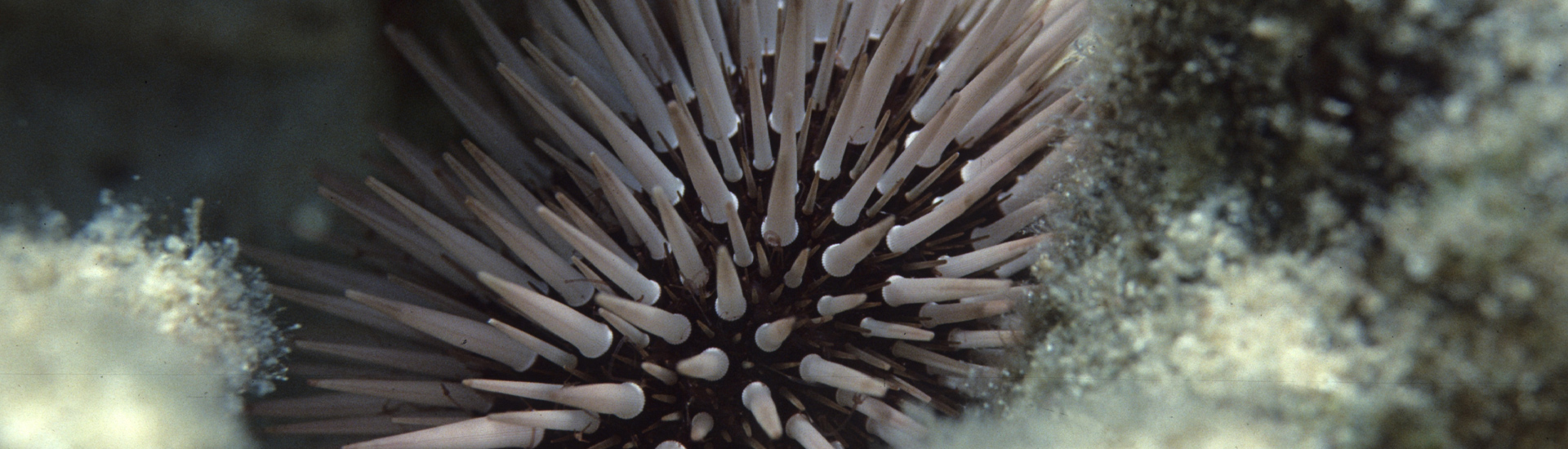
Aquaculture
Aquaculture
Programme Introduction
In the present study cycle we aim to provide the students with advanced training in the area of Aquaculture. The Master’s course therefore seeks to apply current knowledge of modern and sustainable aquaculture, biologic concepts in nutrition, reproduction among others, planning and production and management of aquaculture facilities. The Aquaculture Master provides students with a logical sequence of learning that allows the acquisition of skills to perform the R&D, creation of new companies and coordination functions or direction in aquaculture companies. The structure of this course is divided into two distinct phases. Initially it provides a solid education that will allow the acquisition of skills in specific areas of aquaculture, lasting two semesters. The teachers involved, consisting mainly of PhD are a guarantee of and advanced quality and appropriate to the target level for a Master degree.
Programme Coordinator
Teresa Maria Coelho Baptista
teresa.baptista@ipleiria.pt
Reference
School
City
Language
Type
Length
Vacancies
General and International student contingent: 25
Notice
Edital 2025 2v (PT Doc)
DGES certification
Objectives
- Apply knowledge of modern aquaculture and rearing technologies to the developing of fish, molluscs, crustaceans and algae aquaculture;
- Acquire skills necessary to perform I&D activity and coordination functions or direction of Aquaculture companies in the various sectors that comprise it;
- Develop applied research, dedicated to the needs of the business, regional, national and Iberian trying to evaluate and solve concrete problems relating to the aquaculture activity:
- application of research in the aquaculture production;
- enhancement of production of the various species of interest;
- improving the quality of fish for the food industry of fish and apply this concepts to the sustainability development of the aquaculture marine resources.

| ID | Name | Semester | ECTS | Length |
|---|---|---|---|---|
| Sustainable Aquaculture | 1st Semester | 7 | 60 h | |
|
||||
| Biology and Physiology in Aquaculture | 1st Semester | 7 | 50 h | |
|
C1. Cycles, vital strategies and adaptive character of cultivated species |
||||
| Pathology and Immunology | 1st Semester | 7 | 50 h | |
|
||||
| Advances in Nutrition and Food | 1st Semester | 5 | 45 h | |
|
||||
| Water Quality | 1st Semester | 4 | 30 h | |
|
||||
| Reproduction | 2nd Semester | 7 | 50 h | |
|
||||
| Segurança e Qualidade dos Produtos Aquícolas | 2nd Semester | 4 | 30 h | |
|
||||
| Facilities and Production Planning | 2nd Semester | 7 | 60 h | |
|
||||
| Innovation and Challenges in Aquaculture | 2nd Semester | 7 | 50 h | |
|
||||
| Biotechnology in Aquacult ure | 2nd Semester | 5 | 45 h | |
|
| ID | Name | Semester | ECTS | Length |
|---|---|---|---|---|
| 6997314 | Dissertation | Project | Internship | Year | 60 |
Entry Requirements
- Holders of a degree or legal equivalent in the area of Marine Biology and Biotechnology, and related areas;
- Holders of a foreign academic degree conferred following a 1st cycle of studies organized according to the principles of the Bologna process by a state according to this process in the area of Marine Biology and Biotechnology, Biology and related areas;
- Holders of a foreign degree that is recognized as meeting the objectives of a degree by the ScientificTechnical Council of ESTM in the area of marine biology and biotechnology or related areas;
- Holders of an academic, scientific or professional curricula who is recognized as attesting the capacity to carry out this cycle of studies by the Scientific-Technical Council of ESTM.
International Student
All information related to the international student application should be consulted on our International Students webpage.
- Holders of a degree or legal equivalent in the area of Marine Biology and Biotechnology, and related areas;
- Holders of a foreign academic degree conferred following a 1st cycle of studies organized according to the principles of the Bologna process by a state according to this process in the area of Marine Biology and Biotechnology, Biology and related areas;
- Holders of a foreign degree that is recognized as meeting the objectives of a degree by the ScientificTechnical Council of ESTM in the area of marine biology and biotechnology or related areas;
- Holders of an academic, scientific or professional curricula who is recognized as attesting the capacity to carry out this cycle of studies by the Scientific-Technical Council of ESTM.
International Student
All information related to the international student application should be consulted on our International Students webpage.
Accreditation
State: Accredited
Nº years of Accreditation: 6
Dateof Publication: 28/10/2021
A3ES Accreditation
State: Accredited
Nº years of Accreditation: 6
Dateof Publication: 28/10/2021
A3ES Accreditation
More Information
Contacts
E-mail: studywithus@ipleiria.pt
Contacts
E-mail: studywithus@ipleiria.pt
Application Fee
60€
Enrolment Fee
General contingent: 50 €
International student contingent: 100€
General contingent: 50 €
International student contingent: 100€
Tuition Fee
General contingent: 1.140 €
International student contingent: 3.000€
General contingent: 1.140 €
International student contingent: 3.000€
Online Application
Use the button bellow to start your application.