Marine Resources Biotechnology

Marine Resources Biotechnology

Course Type:
Master’s Programme

Programme Coordinator

Clélia Paulete Correia Neves Afonso

clelia@ipleiria.pt

Reference

2009

School

City

Language

Portuguese

Type

Morning & Afternoon

Length

4 semesters

Vacancies

General and International student contingent: 30

Notice

Edital 2025 2v (PT Doc)

DGES certification
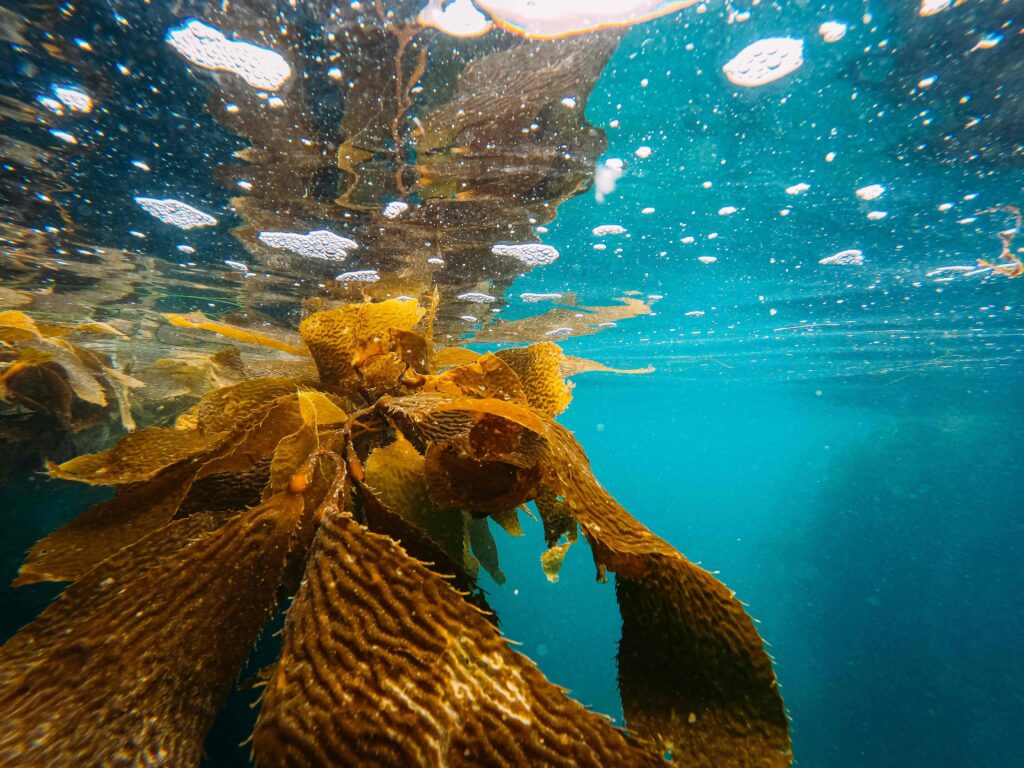
In the present Master Program we aim at providing you with advanced training in the area of Biotechnology, with application to the Marine Resources, seeking to apply current knowledge of modern marine biology and biotechnology to the study, protection and development of marine resources.

1st Year
ID Name Semester ECTS Length
7 60 h
  1. Metabolic pathways that cut across all living organisms;
  2. Enzymatic kinetics, regulation models and balance of metabolic pathways;
  3. Biosynthesis of active compounds with high biotechnological value in marine organisms.
  4. Omics technologies and their applications in biotechnology
1st Semester 6 45 h
  1. Introduction to separation and recovery processes of marine biomolecules.
  2. Selection criteria of separation and recovery processes.
  3. Cell disruption methods, filtration, centrifugation.
  4. Membrane and chromatographic processes.
  5. Extraction, precipitation, crystallization and drying methods.
  6. Process integration and scale-up.
5 30 h
  1. Bioreactors
    1. Background: importance of bioreactors in marine biotechnology
    2. Reviews: microbial growth kinetics, product formation and substrate consumption and mass balances
    3. Heat transfer and sterilization
    4. Measurement and control of the main variables of a bioprocess
    5. Geometries and operation modes of bioreactors
    6. Bioreactors with non-mechanical agitation
    7. Scale-Up
    8. Scale-down
    9. Innovation in bioreactors and case studies: marine applications.
  2. Biocatalysis
    1. Biocatalysis and biocatalysts – general properties and application examples.
    2. Enzyme kinetics – mechanisms, temperature and pH effect, inhibition.
    3. Kinetics in multiphase systems.
    4. Enzymes and cellular biocatalysts.
    5. Immobilization of biocatalysts.
    6. Biocatalysis in non-conventional media.
    7. Innovation in biocatalysis and case studies – marine biocatalysts
5 45 h
  1. Microbiological diversity in the marine environment: Bacteria, Archaea and Eukarya (the particular case of marine fungi). Biotechnological potential of marine microorganisms.
  2. Microbiological laboratory techniques:
    1. Isolation, identification, growth and study of marine diversity.
    2. Metabolic and physiological laboratory study of marine microorganisms.
    3. Methodology for characterization and identification of marine microorganisms.
    4. Use of complementary biochemical and molecular tools frequently used in the characterization and identification of marine microorganisms (amplification of specific genes, 16S rRNA, …)
    5. Analyse experimental results; perform calculations needed for the interpretation of results; readjust and complementation of the experimental component, according to the results obtained.
7 60 h
  1. The current state of marine biodiversity
  2. Biology and diversity of photosynthetic organisms and the main groups of marine fauna
  3. Methodologies for marine bioprospection
  4. Compounds and molecules of marine origin with interest in marine biotechnology
    1. Anti-oxidants
    2. Anti-tumoral agents
    3. Antifungal and antibacterial agents
    4. Anti-inflammatory compounds
    5. Enzymes
    6. Other compounds and molecules of diverse interest
  5. Screening of new metabolites
3 30 h
  1. Entrepreneurship: From idea to business; Preliminary feasibility study; Financing and available options;
    Technology-based entrepreneurship.
  2. Biotechnology on a global scale: the Biotechnology Cluster; the Marine Resources Cluster; the importance of
    intellectual property in biotechnology; legislation and constitution of biotech-based companies; obtaining financing.
  3. Strategic thinking in bioentrepreneurship: Perception of opportunity; Aggregation of intellectual capital; Human and
    technological capital; Economic-financial capital.
  4. Leveraging business opportunities: Synergies and strategic alliances; Spinoffs and the importance of connecting
    the academic and business environment; Legal aspects and support for the biotechnology and marine resources
    industry.
  5. Analysis of investment projects in the area of Biotechnology
    1. CANVAS Business Model
  6. Case studies
7 60 h
  1. Scientific method
    1. Formulating hypotheses
    2. Experimental design
    3. Data organisation
  2. Data treatment
  3. Fundamentals of Ethics/Bioethics
  4. Communication of results
    1. Communication in science
    2. Search for scientific content
    3. Scientific article writing
    4. Panel communication
    5. Oral communication
    6. Communicating with society
  5. Research, Development and Innovation Projects
    1. Project writing
    2. Introduction to the management of a project
  6. Research project development
  7. Seminars in biotechnology
2nd Semester 15 1st Year

a) Students must choose 4 of the following curricular units

  • Environmental Biotechnology

A. Pollutants, contaminants and environmental risks in the marine environment.

  • Types; Sources; Concentrations; Environmental impact and monitoring.
  • Legislative framework of marine environmental problems and their resolution.
    B. Integration of biotechnological steps in the reduction of environmental problems in the marine environment.
    C. Integration of biotechnological steps in the treatment of environmental problems in the marine environment.
    D. Exploitation of the potential of marine organisms in bioremediation processes
    E. Valorisation of by-products of marine origin.
  • Biotechnology in Aquaculture
  1. The importance of biotechnology in aquaculture and its impacts.
  2. The genetic variability in aquaculture and the physical bases of heredity. Quantitative genetics and principles of
    fishimprovement. Genetic markers for identification of phenotypic characteristics in aquaculture. Quantification of
    geneticvariability and statistical distributions. Heritability, types of selection and types of crossing (experimental
    design).
  3. Molecular tools for diagnosis of viral and bacterial diseases.
  4. Applications of genetic engineering in aquaculture: DNA construction; methods of gene transfer in fish; detection
    ofintegration and transgenic expression; results of genetic engineering technology in fish, regulation of GMOs;
    ethicalaspects.
  5. Polyploidy in aquatic species.
  6. DNA vaccines and their use in aquaculture.
  7. Use of probiotics in aquaculture.
  8. Biotechnological potential of algae aquaculture.
  • Pharmaceutical Applications

P1. Fundamental concepts and technologies in the field of Pharmaceutical Biotechnology: Introduction to
pharmaceuticals, biopharmaceuticals and biotechnology. Pharmacokinetics and pharmacodynamics of
biotechnological drugs. Future perspectives, economic considerations.
P2. Development of industrial production processes of drugs: Discovery of biopharmaceuticals and their
characterization; industrial production; analysis of the final product; preclinical, clinical and toxicological studies;
regulatory agencies and patenting.
P3. Fundamental lines of research in Clinical and Pharmaceutical Biotechnology: Interferon; Interleukins and tumor
necrosis factors; Growth factors; Therapeutic hormones; Recombinant blood products and therapeutic enzymes;
Antibodies, vaccines and adjuvants; Therapies based on nucleic acids and cells.

  • Food Applications
  1. Food technology and processing fundamentals
    1.1 – Role of functional properties of food components within sensory quality
    1.2 – Extraction and texturization processes
  2. Innovation and current trends in food production
    2.1 – Nutraceuticals
    2.2 – Edible films
  3. Sources of marine derived food ingredients
    3.1 – Algae
    3.2 – Extremophiles
    3.3 – Sponges
    3.4 – Fish and seafood by-products
  4. Marine-Derived food ingredients
    4.1 – Pigments
    4.2 – Lipids
    4.3 – Polysaccharides
    4.4 – Proteins
    4.5 – Enzymes
  5. Introduction to new product development
  6. Fundamentals of food safety
  • Cell and Tissue Technology

Animal cell and tissue culture: animal cell biology: metabolism; adhesion; proliferation; differentiation. Primary culture,
subcultures, and cell lines. Equipment and culture media. Cryopreservation of animal cells. Experimental methods:
viability, cytotoxicity, cell proliferation, types of cell death (apoptosis, necrosis, necroptosis, autophagy). Tissue
engineering. Stem cells. Multidrug-resistant cells: model used to test new drugs. Coculture and 3D models. Ethical
aspects.
Plant cell and tissue technology: application in agricultural production, forestry, and biotechnology industries. Main
systems and types of plant cell cultures, culture conditions and physiological effects. Importance and molecular
mechanism of phytohormones. Somaclonal and epigenetic variation. Culture of suspension cells, embryogenesis, and
protoplasts. Production of secondary metabolites. Genetic transformation of plant cells

  • Biomaterials and Biosensors
  1. Biomaterials
  • Biomaterials and biological materials, (BM): Definitions and classifications. Polymers and composites.
  • Biomaterials of marine origin, (BOM): Chitin and chitosan, Collagen, Alginates, Carrageenan, Biosilica. Other
    polymers of marine origin.
  1. Biosensors
  • Types of biosensors (BS)
  • Materials and detection techniques, examples of biosensors (MB)
  • Applications to health, environment and marine biological processes (AB)
2nd Year
ID Name Semester ECTS Length
Annual 60


Entry Requirements

  1. Holders of an academic bachelor’s  degree following a 1st cycle of studies organized according to the principles of the Bologna process in the area of Marine Biology and Biotechnology, and related areas;
  2. Holders of a bachelor’s degree that is recognized as meeting the objectives of a degree by the Scientific-Technical Council of ESTM in the area of marine biology and biotechnology or related areas;
  3. Holders of an academic, scientific or professional curricula who is recognized as attesting the capacity to carry out this cycle of studies by the Scientific-Technical Council of ESTM.

English Language Proficiency.

International Student
All information related to the  international student application should be consulted on our International Students webpage.

Accreditation

State: Accredited
Nº of years of Accreditation: 6
Date of Publication: 09/03/2026
A3ES Accreditation

More Information

Contacts
E-mail: studywithus@ipleiria.pt

Application Fee

60€

Enrolment Fee

General contingent: 50 €
International student contingent: 100€

Tuition Fee

General contingent 1.140€
International student contingentl 3.000 € 


Online Application

Use the button bellow to start your application.