
Sustainable Food Systems
Sustainable Food Systems
Programme Introduction
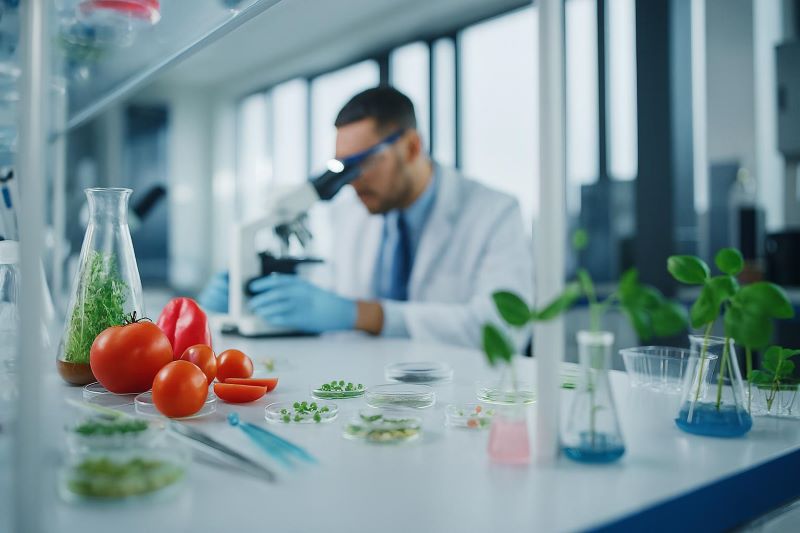
The Bachelor’s Degree in Sustainable Food Systems at the School of Tourism and Maritime Technology of the Polytechnic Institute of Leiria enables students to gain a practical and integrated understanding of the food sector, from production to consumption.
Throughout the course, students learn to analyse food production, processing and distribution processes, assessing their quality, safety and environmental impact. The programme combines knowledge of food quality and safety, agriculture and the agri-food industry, innovation and digital solutions, preparing students to address challenges such as reducing food waste, ensuring food security, and improving the efficiency of production systems.
The course also promotes the development of skills such as critical thinking, communication, teamwork and autonomy, which are essential for integration into modern organisations and companies, and for building a solid career path in a sector undergoing constant transformation.
Programme Coordinator
(updating)
City
Language
Type
Length
Vacancies
General Contingent: 14
International Contingent: 1
DGES certification

Objectives
- Understand the interaction between the different processes and stakeholders in the food sector, from the concepts and dynamics of food ecosystems to the placement of nutritious and sustainable products on the market;
- Understand the fundamental variables and principles associated with food production and transformation processes, applying this knowledge to develop sustainable, innovative and resilient “farm to fork” processes;
- Understand, apply and comply with regulatory requirements associated with food quality and safety;
- Apply multidisciplinary knowledge in the development of digital solutions for the sustainability of food systems;
- Apply multidisciplinary knowledge in the creation of innovative processes, products and services that add value to the food value chain;
- Develop transversal skills in areas complementary to the degree, such as networking, communication, autonomy and critical thinking.
Careers Options
- Food production and processing companies;
- Food quality and safety departments;
- Agricultural cooperatives and producer organisations;
- Research centres and laboratories;
- Regulatory organizations and food authorities;
- Local authorities, ministries and public agencies;
- International organisations related to food, nutrition and sustainability.
Study Plan
- 1st Year
- 2nd Year
- 3rd Year
| ID | Name | Semester | ECTS | Length |
|---|---|---|---|---|
| Applied Physics | S1 | 6 | 64 h | |
| ||||
| General Biology | S1 | 6 | 64 h | |
| ||||
| Mathematics | S1 | 6 | 64 h | |
| ||||
| Introduction to Food Systems | S1 | 6 | 64 h | |
|
CP1-The concept of Food Systems and its evolution | ||||
| Chemistry | S1 | 6 | 64 h | |
|
CP1-The Chemical Bond | ||||
| Numerical Methods and Computation | S2 | 6 | 64 h | |
|
(updating) | ||||
| Chemical Characterization of Food Products | S2 | 6 | 64 h | |
|
P1- Physicochemical analysis techniques suitable for characterizing food products in terms of: | ||||
| Food Ecossystems | S2 | 6 | 52,5 h | |
| ||||
| Food Science | S2 | 6 | 64 h | |
| ||||
| Introduction to Digital Technologies | S2 | 6 | 49 h | |
| ||||
| ID | Name | Semester | ECTS | Length |
|---|---|---|---|---|
| Biostatistics | S1 | 6 | 64 h | |
|
P1. Introduction to Statistics and Biostatistics. | ||||
| Digital Technologies Applied to Food Systems | S1 | 6 | 49 h | |
| ||||
| Food Marketing | S1 | 6 | 49 h | |
| ||||
| Microbiological Characterization of Food Products | S1 | 6 | 64 h | |
|
P1. Introduction | ||||
| Regulatory Framework in Food Systems | S1 | 6 | 49 h | |
|
P1. Food Safety Culture | ||||
| Interdisciplinary Project on Digital Transition of Food Systems | S2 | 6 | 49 h | |
| ||||
| Rheological and Sensory Characterization of Foods | S2 | 6 | 64 h | |
|
P1. Introduction to sensory analysis. Sensory analysis laboratory, general considerations for implementing the test. Types of tasters | ||||
| Marine Food Resources Technology | S2 | 6 | 64 h | |
| ||||
| Aquatic Production Technology | S2 | 6 | 64 h | |
| ||||
| Sustainable Food Production | S2 | 6 | 64 h | |
| ||||
| ID | Name | Semester | ECTS | Length |
|---|---|---|---|---|
| Sustainable Nutrition | S1 | 6 | 64 h | |
|
P1. Fundamentals of Nutrition | ||||
| Sustainable Food Packaging and Waste Management | S1 | 6 | 64 h | |
| ||||
| Interdisciplinary Project on Innovation in Food Systems | S1 | 6 | 72 h | |
| ||||
| Agri-Food Resources Technology | S1 | 6 | 64 h | |
|
P1. Introduction to agri-food resources | ||||
| Food Hygiene and Safety | S1 | 6 | 64 h | |
| ||||
| Entrepreneurship in Food Systems | S2 | 6 | 49 h | |
| ||||
| Integrated Food Systems Management | S2 | 6 | 49 h | |
| ||||
| Portfolio | S2 | 3 | 34 h | |
|
The curricular unit is based on the accumulation of learning experiences throughout the year, with flexibility for students to choose activities that align with their interests and professional goals
| ||||
| Internship | S2 | 15 | ||
|
The areas/functions eligible for internships are all those related to the themes of Biotechnology covered in the remaining curricular units of the degree and that meet the requirements of the ESTM curricular and extracurricular internship regulations (Regulation No. 1087/2016). Adapting to each specific company, registration/participation in tasks should take into account the following aspects:
| ||||
Entry Requirements
For further information about international students’ applications,
please see International Applicants or contact the International Students’ Office by email: studywithus@ipleiria.pt
For further information about international students’ applications,
please see International Applicants or contact the International Students’ Office by email: studywithus@ipleiria.pt
Accreditation
State: Accreditated
Nº years of Accredidation: 6
Date of Publication: 28/08/2025
A3ES Accreditation
State: Accreditated
Nº years of Accredidation: 6
Date of Publication: 28/08/2025
A3ES Accreditation
More Information
Scientific area of study_ CNAEF 541 Food Industries
Scientific area of study_ CNAEF 541 Food Industries
Application Fee
60€
60€
Enrolment Fee
General Contingent: 30€
International Contingent: 100€
General Contingent: 30€
International Contingent: 100€
Tuition Fee
General Contingent: 697 €
International Contingent: 3000€
General Contingent: 697 €
International Contingent: 3000€